
Anúncios
Artificial intelligence has revolutionized financial markets, but with unprecedented power comes equally unprecedented responsibility. The ethical implications of algorithmic trading demand our immediate attention.

🤖 The Rise of AI-Powered Trading Systems
The financial landscape has undergone a dramatic transformation over the past decade. High-frequency trading algorithms now execute millions of transactions per second, making split-second decisions that would take human traders hours to contemplate. These sophisticated systems analyze vast datasets, identify patterns invisible to the human eye, and capitalize on market inefficiencies with ruthless efficiency.
Anúncios
Machine learning models have become the backbone of modern trading operations. Investment firms invest billions annually in developing increasingly complex algorithms capable of predicting market movements, managing risk portfolios, and optimizing trading strategies. The sophistication of these systems continues to accelerate, raising fundamental questions about accountability, fairness, and market stability.
Yet beneath the impressive technological achievements lies a troubling reality: the ethical framework governing these systems has not kept pace with their capabilities. As algorithms assume greater control over financial markets, we must confront uncomfortable questions about who bears responsibility when these systems fail or cause harm.
Anúncios
📊 Understanding the Moral Landscape of Algorithmic Trading
The intersection of artificial intelligence and financial markets creates a unique ethical challenge. Traditional moral frameworks were designed for human decision-makers who possess consciousness, intention, and the capacity for moral reasoning. Algorithms operate differently, executing predetermined instructions without understanding the broader implications of their actions.
This fundamental difference creates what philosophers call the “responsibility gap” – a space where traditional accountability mechanisms fail to apply cleanly. When an algorithm makes a decision that results in market manipulation or unfair advantage, who should be held responsible? The programmer who wrote the code? The company that deployed the system? The algorithm itself?
The Complexity of Intention in Machine Decision-Making
Human traders can be judged by their intentions and motivations. If someone deliberately manipulates markets for personal gain, we recognize this as unethical and potentially illegal. But algorithms don’t have intentions in any meaningful sense. They simply follow programmed instructions, optimizing for specified objectives without moral consideration.
This absence of intentionality complicates our ethical analysis. Can we hold an algorithm morally responsible for outcomes it was designed to produce? Should we judge the system differently if harmful outcomes were unintended consequences of legitimate optimization goals?
⚖️ Flash Crashes and Systemic Risk: When Algorithms Run Wild
The 2010 Flash Crash provides a stark illustration of algorithmic trading’s potential dangers. On May 6th, the Dow Jones Industrial Average plummeted nearly 1,000 points in minutes before recovering almost as quickly. Investigation revealed that automated trading systems, reacting to each other’s decisions in microseconds, created a cascading effect that briefly destabilized the entire market.
This event highlighted how algorithmic systems can amplify volatility and create systemic risks that extend far beyond individual trading strategies. When multiple algorithms interact in unpredictable ways, emergent behaviors can arise that no single programmer anticipated or intended.
The ethical implications are profound. Ordinary investors saw their portfolios lose significant value in moments, through no fault of their own. Retirement accounts, pension funds, and individual savings were affected by decisions made by machines operating beyond human comprehension or control.
Cascade Effects and Market Stability
Modern markets exhibit increased correlation during stress periods, partly due to similar algorithmic strategies deployed across multiple firms. When one algorithm identifies a market signal and begins selling, others may interpret the resulting price movement as confirmation of their own bearish signals, creating self-reinforcing cycles.
These cascade effects raise questions about the collective responsibility of the financial industry. Even if individual algorithms operate within legal boundaries, their combined impact can threaten market stability and public welfare.
🎯 Information Asymmetry and Fair Market Access
High-frequency trading algorithms exploit speed advantages measured in microseconds. Firms invest millions in infrastructure to reduce latency by mere nanoseconds, gaining the ability to front-run orders from slower market participants. This technological arms race creates profound information asymmetries between sophisticated institutional traders and ordinary investors.
The ethical question becomes: is this fair? In traditional markets, information advantages based on superior research or analysis were generally accepted as legitimate. But advantages based purely on processing speed and proximity to exchange servers feel qualitatively different.
Retail investors increasingly recognize they’re competing in markets where others possess fundamental structural advantages. This realization undermines confidence in market fairness and may discourage participation, potentially reducing market liquidity and efficiency.
The Democratization Paradox
Ironically, while AI trading technology becomes more accessible through mobile apps and automated investing platforms, the sophistication gap between institutional and retail traders continues widening. Professional firms employ teams of PhDs developing cutting-edge algorithms, while retail traders may rely on simplified versions with limited capabilities.
This creates a paradox where apparent democratization of trading technology actually reinforces existing power structures. The question of moral responsibility extends to technology providers: do companies offering algorithmic trading tools to retail investors have obligations to ensure users understand the limitations and risks?
🔍 Transparency and the Black Box Problem
Modern machine learning algorithms, particularly deep neural networks, often function as “black boxes.” Even their creators struggle to explain why these systems make specific decisions. The algorithms identify complex patterns in training data and apply learned relationships to new situations, but the reasoning process remains opaque.
This opacity creates serious ethical challenges for accountability and oversight. How can regulators evaluate whether an algorithm operates fairly if they cannot understand its decision-making process? How can firms ensure their systems don’t engage in prohibited behaviors like market manipulation if the algorithms’ reasoning remains hidden?
The tension between competitive advantage and transparency complicates matters further. Trading firms consider their algorithms proprietary intellectual property, resisting disclosure requirements that might reveal competitive secrets. Yet without transparency, meaningful oversight becomes nearly impossible.
Explainable AI and Regulatory Response
The field of explainable AI attempts to address these challenges by developing methods to interpret and explain algorithmic decisions. Researchers work on techniques that can trace specific outputs back through complex neural networks to identify which inputs influenced particular decisions.
Regulators increasingly recognize the need for algorithmic transparency. The European Union’s Markets in Financial Instruments Directive (MiFID II) requires firms using algorithmic trading to maintain detailed records and implement testing protocols. However, enforcement remains challenging, and regulations struggle to keep pace with technological advancement.
💼 Corporate Responsibility and Stakeholder Obligations
Financial institutions deploying AI trading algorithms face competing obligations to multiple stakeholders. Shareholders expect profit maximization and competitive returns. Customers require fair treatment and honest representation of risks. Regulators demand compliance with existing rules. Society broadly deserves stable, functional financial markets.
These obligations frequently conflict. The most profitable trading strategies may exploit information asymmetries in ways that disadvantage other market participants. Aggressive optimization might increase systemic risk even while generating superior returns for specific firms.
Corporate leadership must navigate these tensions while recognizing that legal compliance represents a minimum standard, not a sufficient ethical framework. Just because an algorithmic strategy is technically legal doesn’t necessarily make it morally responsible.
Building Ethical Organizational Culture
Forward-thinking firms increasingly recognize that long-term success requires embedding ethical considerations into algorithmic development processes. This means establishing oversight committees that evaluate proposed strategies not just for profitability but for broader market impact. It means encouraging developers to consider potential negative externalities and unintended consequences.
Some organizations have appointed “ethical AI officers” charged with ensuring algorithmic systems align with company values and social responsibilities. These roles represent acknowledgment that technical expertise alone cannot address the complex moral questions raised by automated trading systems.
🌐 Global Perspectives on Algorithmic Trading Ethics
Different jurisdictions approach algorithmic trading regulation with varying philosophies reflecting distinct cultural values and legal traditions. The United States generally favors market-driven solutions with lighter regulatory touch, while European authorities tend toward more prescriptive rules and stricter oversight.
Asian markets present diverse approaches, with some nations aggressively promoting fintech innovation while others maintain cautious regulatory postures. These differences create challenges for global financial firms operating across multiple jurisdictions with inconsistent requirements.
The lack of international coordination on algorithmic trading standards allows regulatory arbitrage, where firms relocate operations to jurisdictions with more permissive rules. This race to the bottom undermines efforts to establish robust ethical standards and effective oversight.
🔮 Future Challenges and Emerging Considerations
Artificial intelligence continues evolving rapidly, with emerging technologies promising even more sophisticated trading capabilities. Quantum computing may soon enable calculations currently impossible, potentially revolutionizing algorithmic trading strategies. Advanced natural language processing allows algorithms to analyze news, social media, and alternative data sources in real-time.
These developments will intensify existing ethical challenges while creating new ones. As algorithms become more autonomous and capable, the responsibility gap widens further. Questions about algorithmic bias, fairness, and accountability become more urgent as systems gain greater influence over financial markets and economic outcomes.
The Role of Artificial General Intelligence
Looking further ahead, some researchers anticipate artificial general intelligence – systems with human-like reasoning capabilities across diverse domains. If such systems emerge, our entire framework for thinking about algorithmic responsibility may require fundamental reconsideration.
Would AGI systems possess moral agency in meaningful ways? Should they be held directly accountable for their decisions? These questions may seem speculative today but could become practical concerns sooner than many anticipate.
🛠️ Practical Frameworks for Ethical Algorithm Development
Despite the complexity of these challenges, practical approaches exist for developing and deploying trading algorithms more responsibly. Industry best practices are emerging that balance competitive imperatives with ethical obligations.
Comprehensive testing represents a crucial first step. Before deployment, algorithms should undergo rigorous evaluation including stress testing under various market conditions, analysis of potential negative externalities, and examination of impacts on market stability. Testing should specifically identify scenarios where algorithms might behave in unintended or harmful ways.
Human oversight remains essential even for highly automated systems. “Human in the loop” designs ensure that critical decisions receive human review before execution. Kill switches allow immediate intervention when algorithms behave unexpectedly. Regular audits verify that systems operate as intended and comply with ethical guidelines.
Stakeholder Engagement and Input
Meaningful ethical frameworks require input from diverse perspectives. Firms should engage with regulators, academic ethicists, consumer advocates, and other stakeholders when developing algorithmic trading strategies. This inclusive approach helps identify potential concerns that might not be apparent from purely technical or financial perspectives.
Industry-wide collaboration can establish shared standards and best practices that raise the collective ethical floor while preserving competitive innovation. Professional organizations and industry associations have important roles in facilitating these conversations and promoting responsible algorithmic deployment.
📚 Education and Professional Standards
As algorithms assume greater importance in financial markets, education must evolve to prepare professionals for the ethical dimensions of their work. Developers creating trading algorithms need training not just in programming and mathematics but in ethics, philosophy, and the broader social implications of their creations.
Business schools and finance programs increasingly incorporate ethics modules addressing algorithmic trading. Professional certification programs are beginning to include ethical considerations as core competencies rather than peripheral concerns.
This educational evolution recognizes that technical skill without ethical grounding creates professionals ill-equipped to navigate the complex moral landscape of modern financial markets. The next generation of quants and algorithm developers must understand that their work carries profound responsibilities extending beyond profit maximization.
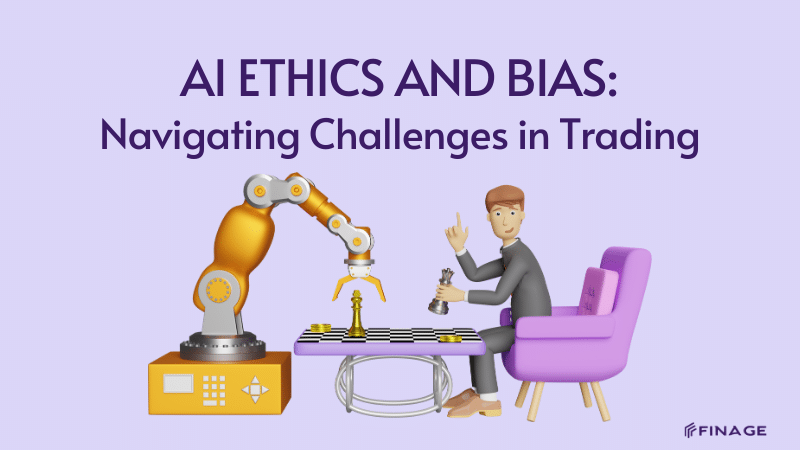
🌟 Finding Balance: Innovation and Responsibility
The ethical challenges posed by AI trading algorithms should not inspire reactionary rejection of beneficial technology. Algorithmic trading provides genuine value through improved price discovery, enhanced liquidity, and reduced transaction costs. The goal is not eliminating algorithms but ensuring their deployment serves broader social good alongside commercial objectives.
This requires ongoing dialogue between technologists, financial professionals, regulators, ethicists, and the public. It demands humility about the limitations of our current understanding and willingness to adapt frameworks as technology evolves and new challenges emerge.
Most fundamentally, it requires recognizing that moral responsibility cannot be outsourced to machines. Humans design, deploy, and profit from algorithmic trading systems. We therefore bear ultimate responsibility for their impacts, both intended and unintended. The ethical edge in algorithmic trading belongs to those who acknowledge this responsibility and act accordingly.
The intersection of artificial intelligence and financial markets will continue generating complex ethical questions without easy answers. But by engaging seriously with these challenges, maintaining transparency where possible, prioritizing stakeholder welfare alongside profits, and committing to ongoing ethical reflection, the financial industry can navigate this terrain more responsibly. The future of algorithmic trading depends not just on technical innovation but on our collective commitment to ensuring that innovation serves human flourishing and market integrity.
