
Anúncios
Crowdfunding has revolutionized how startups raise capital, offering entrepreneurs an innovative alternative to traditional funding sources and creating opportunities for businesses worldwide.

💡 Why Crowdfunding Has Become a Game-Changer for Startups
The startup landscape has transformed dramatically over the past decade. Gone are the days when entrepreneurs had to rely solely on bank loans, venture capitalists, or wealthy angel investors to bring their ideas to life. Crowdfunding platforms have democratized access to capital, allowing founders to connect directly with potential customers, supporters, and investors who believe in their vision.
Anúncios
This funding method offers more than just money. It provides validation for your concept, builds a community around your brand before launch, and creates early adopters who become passionate advocates. The data speaks for itself: crowdfunding campaigns raised over $34 billion globally in recent years, with thousands of startups successfully launching their businesses through platforms like Kickstarter, Indiegogo, and GoFundMe.
Understanding how to leverage crowdfunding effectively can mean the difference between a startup that struggles to gain traction and one that launches with momentum, a dedicated customer base, and sufficient capital to execute its vision.
Anúncios
🎯 Choosing the Right Crowdfunding Model for Your Startup
Not all crowdfunding approaches are created equal. Before launching your campaign, you need to understand which model aligns best with your business goals, industry, and target audience. Each type comes with distinct advantages, requirements, and regulatory considerations.
Rewards-Based Crowdfunding: Building Your Customer Base
This is the most popular model for product-based startups. Backers contribute money in exchange for early access to your product, exclusive perks, or special editions. Platforms like Kickstarter and Indiegogo have made this model famous, with successful campaigns raising millions for innovative products.
Rewards-based crowdfunding works exceptionally well when you have a tangible product that people can see, touch, and use. It’s ideal for consumer electronics, fashion items, board games, creative projects, and innovative gadgets. The key advantage is that you’re not giving away equity in your company—you’re essentially pre-selling your product.
Equity Crowdfunding: Sharing Ownership with Your Community
Equity crowdfunding allows startups to raise capital by selling shares to a large number of investors through online platforms. This model has gained significant traction following regulatory changes that made it more accessible to non-accredited investors.
Platforms like SeedInvest, StartEngine, and Crowdcube specialize in equity crowdfunding. This approach works well for startups with high growth potential, scalable business models, and the ability to provide investors with realistic exit opportunities. The trade-off is that you’re diluting ownership and taking on many small shareholders.
Debt Crowdfunding: Borrowing from the Crowd
Also known as peer-to-peer lending, this model involves borrowing money from multiple individuals who expect repayment with interest. It’s essentially a loan structured through a crowdfunding platform rather than a traditional financial institution.
This option suits startups with predictable revenue streams and the ability to service debt. The advantage is maintaining full ownership of your company while accessing capital at potentially better rates than traditional lenders.
Donation-Based Crowdfunding: Community Support for Causes
This model works primarily for social enterprises, nonprofits, or projects with a strong community or charitable component. Donors contribute without expecting financial returns or rewards, motivated purely by supporting the cause or mission.
📋 Crafting Your Winning Crowdfunding Strategy
Success in crowdfunding doesn’t happen by accident. It requires meticulous planning, strategic execution, and continuous engagement. The most successful campaigns share common characteristics that separate them from the thousands of projects that fail to reach their funding goals.
Pre-Launch Preparation: The Foundation of Success
Your campaign’s success is largely determined before you ever hit the launch button. Smart entrepreneurs spend months preparing, building anticipation, and assembling resources. This preparation phase should include market research to validate demand, competitor analysis to understand the landscape, and prototype development to prove your concept works.
Build your email list aggressively during this phase. Reach out to friends, family, colleagues, and potential customers. Join relevant online communities and establish your presence. Create social media accounts and start sharing your journey. The goal is to have a committed audience ready to support you on day one.
Your pre-launch period should also include creating all campaign assets: professional photos and videos, compelling copy, reward tier structure, and a detailed budget breakdown. Don’t rush this process—quality materials significantly impact conversion rates.
Setting Realistic Funding Goals
One of the biggest mistakes startups make is setting their funding target too high or too low. Too high, and you risk not reaching your goal and receiving nothing (on all-or-nothing platforms). Too low, and you may successfully fund but lack sufficient capital to deliver on your promises.
Calculate your minimum viable funding amount by itemizing all costs: manufacturing, shipping, platform fees, marketing, fulfillment, and a contingency buffer for unexpected expenses. Many successful campaigns set their initial goal at this minimum, knowing they can exceed it through stretch goals.
Research similar campaigns in your category to benchmark realistic expectations. Look at their funding goals, number of backers, average pledge amounts, and campaign duration. This data provides valuable insights for setting your own targets.
🎥 Creating Compelling Campaign Content That Converts
Your campaign page is your digital storefront, sales pitch, and product showcase all rolled into one. Every element must work together to build trust, communicate value, and motivate action.
Video: Your Most Powerful Conversion Tool
Statistics consistently show that campaigns with videos raise significantly more money than those without. Your campaign video should be authentic, professional, and focused on solving a problem. Keep it between two to three minutes—long enough to tell your story but short enough to maintain attention.
Start with a hook that grabs attention within the first five seconds. Introduce yourself and your team to build credibility. Clearly explain the problem you’re solving and how your product or service provides the solution. Show your product in action through demonstrations or prototypes. End with a clear call-to-action encouraging viewers to back your campaign.
Production quality matters, but authenticity matters more. You don’t need a Hollywood budget, but invest in decent lighting, clear audio, and stable footage. Consider hiring a professional if your budget allows, as the video often determines whether visitors become backers.
Writing Copy That Persuades and Informs
Your written content should complement your video, not repeat it. Use a conversational tone that reflects your brand personality. Break information into digestible sections with clear subheadings. Address objections proactively by explaining your experience, manufacturing process, timeline, and risk mitigation strategies.
Include social proof through testimonials from beta testers, industry experts, or early supporters. Showcase any media coverage, awards, or recognition you’ve received. Explain exactly what backers will receive, when they’ll receive it, and how you’ll keep them updated throughout the process.
💰 Structuring Reward Tiers That Maximize Contributions
Your reward structure can make or break your campaign. The goal is creating tiers that appeal to different backer segments while maximizing your average pledge amount. Successful campaigns typically offer between five to eight reward levels, each providing clear value relative to its price point.
Start with an entry-level tier that allows people to support your project with minimal commitment—often between $5 to $25. This creates accessible participation for supporters who may not want the product but believe in your mission.
Your core tier should represent your product at or near retail price, offering early-bird discounts to create urgency. Many campaigns include limited early-bird quantities at 20-30% off future retail prices. This incentivizes quick backing and creates momentum.
Include premium tiers offering multiple products, exclusive colors or editions, or special perks like having backers’ names included in the product, invitation to launch events, or one-on-one sessions with founders. These higher tiers may have fewer backers but significantly increase total funding.
Consider add-ons that backers can include with any reward tier. This increases average pledge values without requiring separate reward levels for every possible combination.
🚀 Launching Strong: The Critical First 48 Hours
The first two days of your campaign disproportionately determine overall success. Campaigns that reach 30% of their goal within 48 hours are far more likely to successfully fund. This early momentum creates social proof, attracts platform algorithms, and generates media attention.
Activate your prepared email list immediately at launch. Send personal messages to close contacts asking for their support and social sharing. Post across all social media platforms simultaneously. Consider timing your launch for a Tuesday or Wednesday morning when engagement tends to be highest.
Monitor your campaign constantly during these first hours. Respond to every comment and question promptly. Thank every backer personally. This engagement signals to the platform and potential backers that your campaign is active and supported.
Have a crisis management plan ready. Technical issues, critical comments, or unexpected questions will arise. Responding quickly and professionally maintains momentum and builds trust.
📢 Marketing Your Campaign for Maximum Exposure
Even the best campaign won’t succeed without driving traffic to your page. Crowdfunding is not “build it and they will come”—it requires aggressive, multi-channel marketing throughout the campaign duration.
Leveraging Social Media Effectively
Social platforms are essential for reaching both your existing network and new audiences. Create platform-specific content that plays to each channel’s strengths. Instagram and Pinterest work well for visually striking products. Twitter excels at real-time updates and engaging with influencers. Facebook provides robust targeting options for paid advertising. LinkedIn helps if you’re targeting business audiences or B2B products.
Post consistently but not excessively. Share behind-the-scenes content, backer testimonials, milestone celebrations, and countdown reminders. Use relevant hashtags to increase discoverability. Engage with comments and shares to build community.
Influencer Partnerships and Press Outreach
Identify influencers, bloggers, and journalists who cover your industry or have audiences matching your target demographic. Reach out with personalized pitches explaining why their audience would care about your project. Offer exclusive previews, interview opportunities, or sample products when possible.
Press coverage can dramatically boost campaign visibility. Create a compelling press release and media kit. Target both traditional publications and online media outlets. Tech blogs, industry publications, and local news sources often cover interesting crowdfunding campaigns.
Paid Advertising: When and How to Invest
Organic reach alone rarely suffices for campaign success. Strategic paid advertising amplifies your message and reaches audiences beyond your existing network. Facebook and Instagram ads work particularly well for crowdfunding, offering detailed targeting options and visual ad formats.
Start with small test budgets to identify what messaging, imagery, and audiences convert best. Scale winning combinations as your campaign progresses. Consider retargeting campaigns to re-engage people who visited your page but didn’t back.
Google Ads can capture search intent when people are actively looking for products like yours. YouTube advertising works well if you have compelling video content beyond your main campaign video.
🤝 Building and Maintaining Backer Relationships
Your backers aren’t just funding sources—they’re early adopters, brand ambassadors, and potential lifelong customers. How you treat them during and after your campaign significantly impacts your startup’s long-term success.
Communication is paramount. Send regular updates throughout the campaign—at minimum weekly, but consider more frequent updates during key moments. Share production progress, milestone achievements, stretch goal announcements, and behind-the-scenes glimpses into your process.
Be transparent about challenges. If you encounter manufacturing delays, cost overruns, or design modifications, communicate these honestly and explain how you’re addressing them. Backers appreciate honesty and respond poorly to silence or sugarcoating.
After your campaign ends, maintain communication throughout production and fulfillment. Send update emails with photos and videos showing progress. Announce when products ship and provide tracking information. Follow up after delivery to ensure satisfaction and request feedback.
⚠️ Avoiding Common Crowdfunding Pitfalls
Learning from others’ mistakes saves time, money, and heartache. Several issues repeatedly derail otherwise promising campaigns, and knowing them helps you avoid similar fates.
Underestimating production costs ranks among the most common errors. Factor in all expenses: tooling, molds, minimum order quantities, quality control, packaging, shipping materials, customs fees, platform fees (typically 5-8%), payment processing fees (3-5%), and taxes. Include a 15-20% contingency buffer for unexpected costs.
Overpromising on delivery timelines destroys trust and creates fulfillment nightmares. Manufacturing always takes longer than expected, especially for first-time entrepreneurs. Add buffer time to your estimates and communicate conservative timelines publicly while working toward aggressive internal deadlines.
Neglecting customer service during and after campaigns damages your reputation. Respond to questions and concerns promptly and professionally. One unhappy backer can create disproportionate negative publicity through social media and comments.
Failing to secure intellectual property protection before launching publicly can allow competitors to copy your idea. File provisional patents, trademarks, or other protections appropriate to your product before campaign launch.
📊 Measuring Success Beyond the Funding Goal
While reaching your funding target is the obvious success metric, crowdfunding provides numerous other valuable outcomes worth measuring and leveraging.
Market validation proves people will pay for your product. The number of backers, conversion rates, and average pledge amounts provide data about demand, pricing sensitivity, and preferred configurations. Use this information to refine your product roadmap and business strategy.
Community building creates an asset extending far beyond the campaign. Your backers represent a engaged audience for future product launches, referrals, testimonials, and user-generated content. Maintain these relationships through email lists, social media groups, or dedicated community platforms.
Media attention and exposure often exceed what you could achieve through equivalent advertising spending. Press coverage, influencer mentions, and social media virality build brand awareness with audiences who may not back your current campaign but remember your brand for future purchases.
Lessons learned from running a campaign provide invaluable entrepreneurial education. You’ll gain experience in marketing, operations, customer service, production management, and communication that serves your business long-term regardless of campaign outcome.
🎊 Turning Campaign Success Into Long-Term Business Growth
Successfully funding your crowdfunding campaign is not an endpoint—it’s the beginning of your startup journey. How you leverage this momentum determines whether you build a sustainable business or a one-hit wonder.
Deliver on your promises with excellence. Product quality, timely fulfillment, and responsive customer service turn backers into loyal customers and brand advocates. Their testimonials, reviews, and word-of-mouth referrals become invaluable marketing assets.
Use campaign momentum to pursue additional funding if needed. A successful crowdfunding campaign demonstrates market validation that attracts angel investors, venture capitalists, or lenders. Your proven ability to execute and build community reduces perceived risk.
Transition backers into customers for your next products. Launch a regular email newsletter, create loyalty programs, and offer exclusive previews or discounts on new products. The customer acquisition cost for existing backers is substantially lower than acquiring new customers.
Document and share your journey. Content about your crowdfunding experience, lessons learned, and startup progress attracts media attention, builds thought leadership, and inspires others while keeping your brand visible.
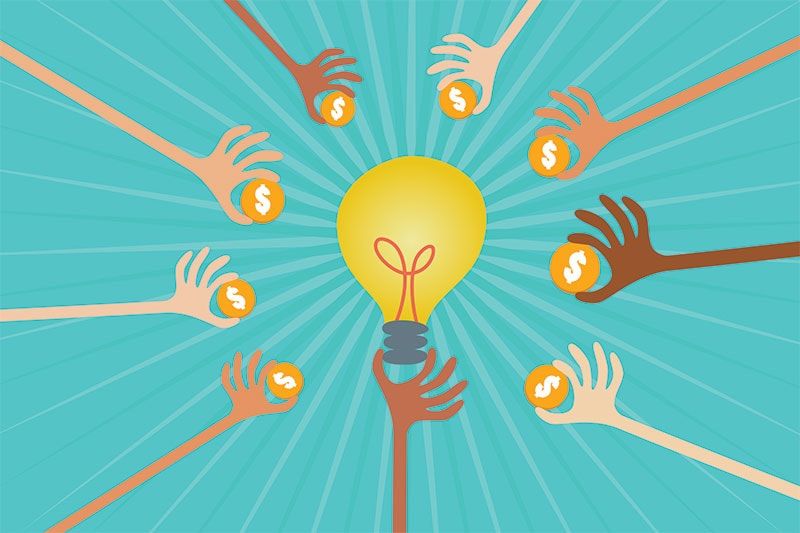
🌟 Your Crowdfunding Journey Starts With Preparation
Crowdfunding offers startups unprecedented opportunities to raise capital, validate markets, and build communities without sacrificing equity or taking on restrictive debt. However, success requires strategic planning, compelling content, aggressive marketing, and excellent execution.
Start by choosing the crowdfunding model that aligns with your business goals and industry. Invest significant time in pre-launch preparation, building your audience and creating professional campaign materials. Set realistic funding goals based on thorough cost analysis and market research.
Create compelling videos and written content that communicate your value proposition clearly while building emotional connections. Structure reward tiers that appeal to different backer segments and maximize average contributions. Launch with momentum by activating your prepared audience immediately.
Market aggressively across multiple channels throughout your campaign duration. Build and maintain strong relationships with backers through transparent, regular communication. Learn from common pitfalls and measure success beyond just funding amounts.
Most importantly, view crowdfunding as the beginning of your startup journey, not the destination. Deliver exceptional products and experiences that transform backers into loyal customers and brand ambassadors. The capital you raise matters, but the community you build and lessons you learn provide even greater long-term value for your startup’s success.
With proper preparation, strategic execution, and genuine commitment to your backers, crowdfunding can unlock the resources and momentum your startup needs to transform innovative ideas into thriving businesses. Your entrepreneurial journey awaits—start preparing today for your crowdfunding success tomorrow.
