
Anúncios
In today’s interconnected digital landscape, protecting personal and business data while navigating complex international trade laws has become a critical challenge for organizations worldwide.

🌐 The Intersection of Trade Laws and Digital Privacy
The digital revolution has fundamentally transformed how information flows across borders. What once required physical transportation now happens instantaneously through fiber optic cables and wireless networks. This unprecedented connectivity has created new opportunities for global commerce, but it has also introduced complex legal and regulatory challenges that businesses must address to remain compliant and protect sensitive information.
Anúncios
Trade agreements historically focused on tangible goods, tariffs, and physical services. However, the digital economy demands a new framework that accounts for data flows, privacy rights, and national security concerns. Today’s businesses must understand how trade laws intersect with data protection regulations, creating a multilayered compliance environment that affects operations across multiple jurisdictions.
Understanding Data Sovereignty in Modern Commerce
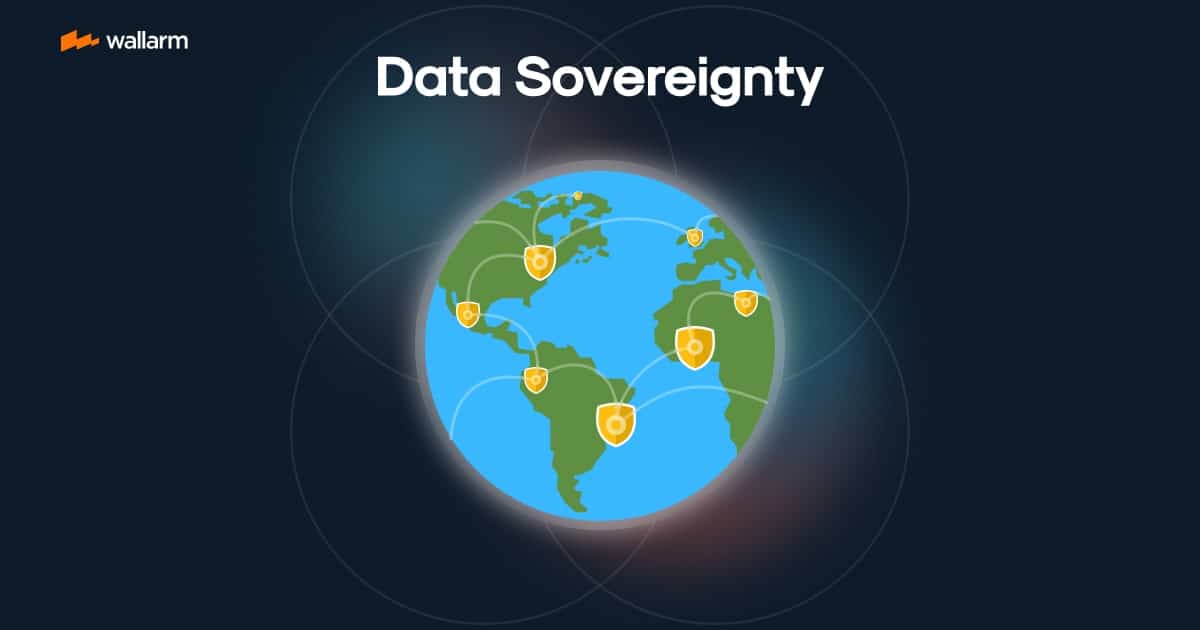
Data sovereignty refers to the concept that digital information is subject to the laws of the country where it is collected or stored. This principle has gained significant traction as nations seek to protect their citizens’ privacy and maintain control over critical information infrastructure. Countries including Russia, China, and members of the European Union have implemented strict data localization requirements that mandate certain types of data remain within national borders.
Anúncios
These requirements create significant operational challenges for multinational corporations. A company operating in multiple markets may need to establish separate data centers in each jurisdiction, implement complex data routing protocols, and maintain different privacy standards depending on where users are located. The financial and technical burden of compliance can be substantial, particularly for smaller organizations without extensive resources.
Key Principles Driving Data Sovereignty
Several fundamental concepts underpin data sovereignty regulations worldwide. First, the principle of territorial jurisdiction asserts that nations have the right to regulate activities within their borders, including digital transactions. Second, the concept of data residency requires that certain categories of information physically remain within specific geographic boundaries. Third, the notion of digital self-determination gives individuals control over how their personal information is collected, processed, and shared.
Understanding these principles helps organizations develop comprehensive compliance strategies. Rather than viewing data sovereignty as merely a technical challenge, successful companies recognize it as a fundamental aspect of their operational framework that requires integration into business planning, technology architecture, and risk management processes.
🔒 Global Trade Agreements and Digital Data Flows
Modern trade agreements increasingly incorporate provisions addressing digital commerce and data transfers. The United States-Mexico-Canada Agreement (USMCA), for example, includes specific language prohibiting forced data localization and ensuring cross-border data flows. Similarly, the Comprehensive and Progressive Agreement for Trans-Pacific Partnership (CPTPP) contains chapters dedicated to electronic commerce and data protection.
These provisions reflect efforts to create standardized frameworks for digital trade while respecting legitimate regulatory objectives like privacy protection and national security. However, tensions persist between the goal of facilitating free data flows and nations’ desires to maintain sovereignty over digital information within their territories.
The European Union’s Influential Approach
The General Data Protection Regulation (GDPR) has become perhaps the most influential data protection framework globally. Implemented in 2018, the GDPR establishes strict requirements for how organizations collect, process, and transfer personal data belonging to EU residents. Its extraterritorial reach means that companies anywhere in the world must comply if they process EU citizens’ information, regardless of where the organization is headquartered.
The GDPR restricts international data transfers to countries deemed to have “adequate” protection levels. Organizations transferring data to nations without adequacy decisions must implement additional safeguards, such as Standard Contractual Clauses (SCCs) or Binding Corporate Rules (BCRs). The invalidation of the EU-US Privacy Shield framework in 2020 through the “Schrems II” decision highlighted ongoing tensions between European privacy standards and US surveillance laws.
Navigating Regional Data Protection Frameworks
Beyond the GDPR, numerous jurisdictions have implemented comprehensive data protection regimes that affect international commerce. Brazil’s Lei Geral de Proteção de Dados (LGPD), California’s Consumer Privacy Act (CCPA), and China’s Personal Information Protection Law (PIPL) each establish unique requirements that organizations must navigate.
These regulations share common themes—transparency, user consent, data minimization, and accountability—but differ significantly in their specific requirements and enforcement mechanisms. The proliferation of regional frameworks creates a fragmented global landscape where organizations must maintain multiple compliance programs tailored to different markets.
Asia-Pacific Data Protection Developments
The Asia-Pacific region presents particularly diverse data protection approaches. While some nations like Australia and New Zealand have established comprehensive frameworks similar to European models, others maintain more sector-specific regulations. Countries including Singapore, Japan, and South Korea have developed sophisticated data protection regimes that balance privacy protection with economic considerations.
China’s approach combines data localization requirements with strict controls on cross-border transfers. The Cybersecurity Law, Data Security Law, and Personal Information Protection Law collectively create a comprehensive regulatory environment that requires careful navigation by foreign companies operating in Chinese markets. Critical information infrastructure operators face particularly stringent requirements, including mandatory security reviews for data exports.
⚖️ Compliance Strategies for Global Organizations
Developing effective compliance strategies requires organizations to adopt a holistic approach that integrates legal, technical, and operational considerations. The first step involves conducting comprehensive data mapping exercises to understand what information is collected, where it resides, how it flows across systems and borders, and what legal frameworks apply in each relevant jurisdiction.
Organizations should implement privacy by design principles, incorporating data protection considerations into product development and business process design from the outset. This proactive approach reduces compliance costs and minimizes the risk of violations compared to retrofitting privacy protections after systems are already operational.
Building a Cross-Functional Compliance Team
Effective data protection compliance requires collaboration across multiple organizational functions. Legal teams must interpret complex regulatory requirements and translate them into actionable guidance. Technology teams need to implement technical controls that enforce privacy policies and enable compliant data flows. Business units must understand how compliance requirements affect their operations and customer interactions.
Many organizations establish dedicated privacy offices or appoint Data Protection Officers (DPOs) to coordinate these efforts. The DPO role, mandatory under GDPR for certain organizations, serves as a central point of accountability for data protection activities and acts as a liaison between the organization, data subjects, and regulatory authorities.
🛡️ Technical Solutions for Data Protection
Technology plays a crucial role in enabling compliance with data sovereignty and trade law requirements. Encryption protects data both in transit and at rest, ensuring that even if information is intercepted or accessed without authorization, it remains unreadable without proper decryption keys. End-to-end encryption provides particularly strong protection by ensuring only the sender and intended recipient can access message contents.
Data loss prevention (DLP) systems monitor information flows across networks, identifying and blocking unauthorized data transfers. These tools can enforce policies that prevent sensitive information from leaving approved geographic boundaries or being shared with unauthorized parties. Advanced DLP solutions use machine learning to identify sensitive data patterns and detect anomalous behavior that might indicate a security breach or compliance violation.
Cloud Computing and Jurisdictional Challenges
Cloud computing introduces additional complexity to data sovereignty compliance. While cloud services offer scalability and cost efficiency, they also create situations where organizations may not have complete visibility into where their data physically resides. Leading cloud providers now offer region-specific deployments that allow customers to specify exactly which geographic locations can host their data.
Organizations leveraging cloud services should carefully review provider service agreements to understand data storage locations, subprocessor arrangements, and how the provider responds to government data requests. Selecting providers that offer transparency reports and maintain relevant certifications demonstrates a commitment to responsible data handling practices.
The Role of Encryption in Cross-Border Data Protection
Encryption serves as a fundamental technical safeguard for protecting data as it moves across international borders. Strong encryption algorithms ensure that even if data is intercepted during transmission or accessed without authorization, it remains unintelligible without the proper decryption keys. This protection becomes especially important when data must traverse networks in jurisdictions with questionable security standards or governments known for surveillance activities.
However, encryption itself has become a subject of regulatory debate. Some governments argue that strong encryption hampers law enforcement investigations and national security operations, leading to proposals for “backdoors” or key escrow systems. Privacy advocates counter that weakening encryption creates vulnerabilities that malicious actors can exploit, ultimately making everyone less secure. Organizations must navigate these tensions while implementing encryption strategies that protect data without running afoul of local regulations.
📊 Balancing Business Needs with Compliance Requirements
Organizations often face tension between business objectives that benefit from free data flows and compliance requirements that restrict information transfers. Global companies rely on centralized data analytics, unified customer relationship management systems, and integrated human resources platforms that require data consolidation across borders. Reconciling these operational needs with data localization requirements demands creative solutions.
One approach involves implementing federated data architectures that allow analytics and processing to occur locally while sharing only aggregated, anonymized results across borders. Another strategy uses tokenization or pseudonymization to replace sensitive data elements with non-sensitive substitutes, enabling certain processing activities without transferring actual personal information internationally.
Risk-Based Approaches to Data Protection
Leading organizations adopt risk-based frameworks that prioritize protection efforts based on data sensitivity and potential harm from unauthorized disclosure. Not all information requires the same level of protection—financial records and health information typically warrant stronger safeguards than general marketing preferences. By classifying data according to sensitivity and implementing proportionate controls, organizations can allocate resources efficiently while maintaining appropriate protection levels.
Risk assessments should consider both the likelihood and potential impact of various threats. Cross-border data transfers to countries with weak legal protections or unstable political environments present different risk profiles than transfers between jurisdictions with comparable regulatory frameworks. Transfer impact assessments, increasingly required under frameworks like GDPR, formalize this analysis and document decisions regarding international data flows.
🌍 Emerging Trends in Digital Trade Governance
The governance landscape for digital trade and data sovereignty continues to evolve rapidly. Several emerging trends will shape how organizations approach these challenges in coming years. First, we see growing momentum toward interoperability frameworks that recognize substantially similar protection standards across jurisdictions, reducing compliance burdens for organizations operating in multiple markets.
The concept of “data free flow with trust” (DFFT), promoted through forums like the G20 and World Economic Forum, seeks to balance legitimate privacy and security concerns with the economic benefits of cross-border data flows. This approach acknowledges that while completely unrestricted data transfers may not be appropriate, excessive localization requirements impose costs that ultimately harm economic growth and innovation.
The Impact of Artificial Intelligence and Machine Learning
Artificial intelligence and machine learning technologies introduce new dimensions to data protection challenges. These systems often require large datasets spanning multiple jurisdictions to train effectively. However, privacy regulations increasingly restrict automated decision-making and require that individuals receive explanations for consequential decisions affecting them. Organizations developing AI systems must consider how data sovereignty requirements affect model training and ensure their systems comply with emerging AI-specific regulations.
The European Union’s proposed AI Act and similar initiatives in other jurisdictions create new compliance obligations specifically targeting artificial intelligence systems. These regulations classify AI applications according to risk levels and impose requirements ranging from transparency obligations to outright prohibitions on certain uses. Organizations must integrate AI governance into their broader data protection compliance frameworks.
Preparing for Future Regulatory Developments
The pace of regulatory change shows no signs of slowing. Organizations should establish monitoring processes to track emerging legislation and regulatory guidance across relevant jurisdictions. Industry associations, legal counsel, and specialized compliance services can help organizations stay informed about developments that may affect their operations.
Building flexible systems and processes that can adapt to changing requirements provides important resilience. Rather than implementing point solutions tailored to specific regulations, forward-thinking organizations create modular compliance frameworks where components can be updated or replaced as requirements evolve. Documentation practices that clearly explain data handling decisions facilitate future adjustments and demonstrate good faith compliance efforts to regulators.
🚀 Building a Culture of Data Protection
Technology and legal frameworks alone cannot ensure effective data protection—organizational culture plays an equally important role. When employees throughout the organization understand why data protection matters and how their actions affect compliance, organizations achieve better outcomes than those where privacy is viewed solely as a legal or IT department responsibility.
Training programs should extend beyond generic privacy awareness to address specific scenarios employees encounter in their roles. Sales teams need to understand what commitments they can make regarding data handling in customer contracts. Product developers should recognize how design decisions affect privacy. Customer service representatives must know how to respond appropriately to data subject requests.
Leadership’s Role in Data Protection
Executive leadership sets the tone for organizational approaches to data protection. When leaders demonstrate commitment to privacy principles and allocate appropriate resources for compliance efforts, these priorities cascade throughout the organization. Conversely, when data protection is treated as a compliance checkbox rather than a core value, organizations struggle to achieve meaningful protection and face elevated risk of violations.
Boards of directors increasingly recognize data protection as a significant governance issue requiring their attention. High-profile breaches and regulatory enforcement actions have demonstrated that data protection failures can result in substantial financial penalties, reputational damage, and legal liability extending to individual executives and board members. Sophisticated boards receive regular briefings on data protection risks, compliance status, and emerging regulatory developments.
Moving Forward with Confidence in a Complex Landscape
Navigating trade laws and data sovereignty requirements in the digital age presents undeniable challenges, but organizations that approach these issues strategically can transform compliance obligations into competitive advantages. Customers increasingly value privacy and seek out organizations that demonstrate responsible data handling practices. Robust data protection programs build trust that translates into customer loyalty and market differentiation.
The path forward requires ongoing commitment to understanding evolving requirements, investing in appropriate technical and organizational controls, and fostering cultures that genuinely value privacy and data protection. Organizations that view these efforts not as burdensome compliance obligations but as fundamental aspects of responsible business operations will be best positioned to thrive in the digital economy.
As digital transformation continues reshaping global commerce, the intersection of trade laws and data sovereignty will remain a critical consideration for organizations of all sizes. By implementing comprehensive strategies that address legal, technical, and organizational dimensions of data protection, businesses can confidently navigate this complex landscape while protecting the information entrusted to them by customers, employees, and partners worldwide.
