
Anúncios
The global supply chain is undergoing a profound transformation as businesses embrace sustainable practices to reduce environmental impact and build resilient logistics networks for tomorrow.

🌍 The Urgent Need for Sustainable Supply Chain Transformation
Climate change has emerged as one of the most pressing challenges of our time, and the logistics industry stands at a critical crossroads. Traditional supply chains account for approximately 8-10% of global greenhouse gas emissions, making them significant contributors to environmental degradation. This startling figure has prompted companies worldwide to reimagine their logistics operations through the lens of sustainability.
Anúncios
The concept of green logistics corridors represents a revolutionary approach to freight transportation and supply chain management. These corridors are strategic routes designed to minimize environmental impact while maintaining operational efficiency. By integrating clean technologies, renewable energy sources, and innovative infrastructure, sustainable logistics corridors offer a pathway toward carbon-neutral supply chains.
Major corporations have recognized that sustainability is no longer optional but essential for long-term business viability. Consumer awareness has increased dramatically, with 73% of global consumers willing to change their consumption habits to reduce environmental impact. This shift in consumer behavior has created powerful market incentives for companies to green their supply chains.
Anúncios
Understanding Sustainable Logistics Corridors
Sustainable logistics corridors are comprehensive transportation networks designed with environmental stewardship as a core principle. Unlike traditional freight routes that prioritize speed and cost alone, these corridors integrate multiple sustainability dimensions including emissions reduction, energy efficiency, biodiversity protection, and community impact mitigation.
The architecture of a green logistics corridor typically encompasses several key components. Electric vehicle charging infrastructure forms the backbone of road transport within these corridors, enabling the transition from diesel-powered trucks to zero-emission alternatives. Intermodal transfer facilities allow seamless shifting between transportation modes, optimizing for both efficiency and environmental impact.
Rail networks play a particularly important role in sustainable corridors. Rail freight generates approximately 75% fewer emissions than road transport for equivalent cargo volumes. Strategic placement of rail hubs within green corridors can dramatically reduce the carbon footprint of long-distance freight movements while maintaining delivery reliability.
Key Technologies Driving Green Corridor Development
Advanced technologies are transforming how sustainable logistics corridors operate. Artificial intelligence and machine learning algorithms optimize route planning, reducing empty miles and unnecessary fuel consumption. Real-time data analytics enable dynamic adjustments to transportation plans based on traffic conditions, weather patterns, and demand fluctuations.
Internet of Things (IoT) sensors throughout the corridor provide continuous monitoring of environmental parameters, vehicle performance, and cargo conditions. This granular visibility allows logistics operators to identify inefficiencies and implement targeted improvements. Smart sensors can detect engine problems before they lead to breakdowns, preventing both delays and excess emissions from poorly maintained vehicles.
Blockchain technology is increasingly being deployed to ensure transparency and accountability in sustainable supply chains. By creating immutable records of transportation activities and emissions data, blockchain systems enable verification of environmental claims and facilitate carbon credit trading within logistics networks.
🚛 Electrification and Alternative Fuel Solutions
The electrification of freight transportation represents one of the most significant opportunities for greening supply chains. Battery-electric trucks have matured rapidly, with several manufacturers now offering commercial vehicles capable of 300-500 kilometer ranges on single charges. While range limitations remain a challenge for long-haul applications, regional distribution and last-mile delivery are ideal use cases for electric vehicles.
Hydrogen fuel cell vehicles offer promising solutions for longer distances and heavier payloads. Unlike battery-electric vehicles that require several hours for charging, hydrogen trucks can be refueled in minutes, maintaining operational tempo comparable to diesel vehicles. Several pilot programs in Europe and Asia have demonstrated the viability of hydrogen corridors for heavy freight transport.
Biodiesel and renewable natural gas provide transitional solutions for existing vehicle fleets. These alternative fuels can reduce emissions by 50-80% compared to conventional diesel while requiring minimal modifications to current infrastructure. Many logistics companies view biofuels as a bridge technology during the transition to fully electric or hydrogen-powered fleets.
Infrastructure Requirements for Alternative Fuel Adoption
The successful deployment of alternative fuel vehicles depends critically on supporting infrastructure. Charging networks must be strategically positioned along major freight corridors with sufficient capacity to handle commercial vehicle demands. High-power charging stations capable of delivering 350 kW or more are essential for minimizing downtime for electric trucks.
Hydrogen refueling stations require substantial investment but offer the advantage of rapid refueling times. Current estimates suggest that approximately one hydrogen station every 150-200 kilometers would support long-haul hydrogen truck operations. Public-private partnerships are emerging as effective models for funding this infrastructure development.
Grid capacity upgrades represent another critical consideration. Large-scale adoption of electric vehicles will significantly increase electricity demand at specific corridor locations. Smart grid technologies and energy storage systems can help manage this increased load while integrating renewable energy sources like solar and wind power.
Multimodal Integration: The Backbone of Green Logistics
Sustainable logistics corridors maximize efficiency through intelligent multimodal integration. By combining rail, maritime, and road transport in optimal configurations, these corridors reduce overall emissions while maintaining delivery speed and reliability. The key lies in designing seamless transfer points where cargo can shift between modes with minimal time and cost penalties.
Rail transport serves as the workhorse for long-distance freight movement within green corridors. A single freight train can replace approximately 300 trucks, dramatically reducing road congestion and emissions. Electrified rail lines powered by renewable energy offer near-zero emissions for bulk cargo movement across continental distances.
Maritime shipping, particularly short-sea shipping along coastal corridors, provides another low-emission alternative to long-haul trucking. Modern container ships achieve remarkable fuel efficiency per ton-kilometer, and ongoing developments in vessel electrification and alternative marine fuels promise further environmental improvements.
Optimizing Last-Mile Delivery Sustainability
The final leg of delivery presents unique sustainability challenges. Urban environments face congestion, air quality concerns, and limited space for logistics operations. Green corridors address these challenges through urban consolidation centers located at city peripheries. These facilities aggregate shipments from multiple carriers and deploy clean delivery vehicles for the final journey into dense urban areas.
Electric cargo bikes and small electric vans have emerged as effective solutions for last-mile delivery in city centers. These vehicles navigate narrow streets efficiently, produce zero local emissions, and reduce noise pollution. Several European cities have established micro-consolidation centers within neighborhoods, enabling deliveries by foot or cargo bike for the very last segment.
Delivery optimization software plays a crucial role in minimizing last-mile environmental impact. Advanced routing algorithms consider factors like traffic patterns, delivery time windows, and vehicle capacity to minimize total distance traveled. Some systems now incorporate real-time carbon footprint calculations, allowing companies to make sustainability-informed routing decisions.
📊 Measuring and Reporting Sustainability Performance
Effective management of green logistics corridors requires robust measurement frameworks. Companies must track key performance indicators including carbon emissions per ton-kilometer, energy consumption, modal split ratios, and percentage of renewable energy utilization. These metrics provide the foundation for continuous improvement and stakeholder reporting.
Standardized reporting protocols like the Greenhouse Gas Protocol provide consistent methodologies for calculating supply chain emissions. Scope 3 emissions, which include all indirect emissions from logistics activities, often represent the largest portion of a company’s carbon footprint. Accurate measurement of these emissions enables targeted reduction strategies.
Digital twins and simulation technologies allow logistics planners to model the environmental impact of different corridor configurations before implementation. These virtual replicas incorporate real-world data on traffic patterns, infrastructure characteristics, and operational parameters to predict emissions, energy consumption, and other sustainability metrics under various scenarios.
🌱 Policy Frameworks Supporting Green Corridor Development
Government policies play a pivotal role in accelerating the transition to sustainable logistics corridors. Carbon pricing mechanisms, whether through carbon taxes or cap-and-trade systems, create financial incentives for emissions reduction. The European Union’s Emissions Trading System has demonstrated how market-based mechanisms can drive investment in cleaner technologies.
Low-emission zones in urban areas restrict or charge fees for polluting vehicles, encouraging adoption of clean alternatives. Many European cities have implemented such zones with measurable improvements in air quality. These regulations create natural endpoints for green corridors, ensuring that sustainable practices extend through the entire supply chain.
Infrastructure investment programs provide essential public funding for green corridor development. The United States Infrastructure Investment and Jobs Act allocates significant resources for electric vehicle charging infrastructure and rail network improvements. Similar initiatives in Asia and Europe are accelerating the buildout of sustainable logistics networks.
Industry Collaboration and Standards Development
Cross-industry collaboration accelerates green corridor implementation by pooling resources and establishing common standards. The Global Logistics Emissions Council brings together major logistics companies to develop consistent methodologies for emissions calculation and reporting. Such collaborative efforts prevent fragmentation and enable meaningful comparisons across companies and regions.
Industry-specific initiatives like the Smart Freight Centre’s Global Logistics Emissions Framework provide practical tools for companies to measure and reduce their logistics carbon footprint. These frameworks offer step-by-step guidance for data collection, emissions calculation, and target setting, making sustainability accessible even for smaller organizations.
Public-private partnerships combine government resources with private sector innovation and efficiency. Many successful green corridor projects have emerged from such collaborations, with governments providing initial infrastructure investment while private companies contribute operational expertise and technology development.
Economic Benefits of Sustainable Logistics Corridors
While environmental motivations drive initial interest in green corridors, compelling economic benefits sustain long-term commitment. Fuel represents a major operating expense for logistics companies, often accounting for 30-40% of total transportation costs. Electric and alternative fuel vehicles typically offer lower per-kilometer operating costs despite higher upfront purchase prices.
Reduced congestion within well-designed corridors improves delivery reliability and reduces driver hours, lowering labor costs. Predictable transit times enable better inventory management and reduced safety stock requirements, freeing up working capital. These operational improvements can generate returns that rival or exceed the direct fuel savings from cleaner vehicles.
Brand value and customer loyalty increasingly reflect corporate sustainability performance. Companies with demonstrable commitments to environmental stewardship enjoy premium pricing power and preferential supplier status with sustainability-conscious customers. This market differentiation translates into tangible revenue advantages that justify green corridor investments.
Investment Requirements and Payback Periods
Transitioning to sustainable logistics requires significant capital investment. Electric vehicle purchase prices remain 2-3 times higher than comparable diesel trucks, though prices are declining rapidly as production scales. Infrastructure investments for charging stations, hydrogen refueling, and intermodal facilities add substantial upfront costs.
However, total cost of ownership calculations increasingly favor sustainable alternatives. Lower maintenance costs for electric drivetrains, reduced fuel expenses, and potential carbon credit revenues shorten payback periods. Many fleet operators report 5-7 year payback periods for electric vehicles in high-utilization scenarios, with this timeframe expected to decrease as technology matures and incentive programs continue.
Financial instruments specifically designed for green investments are expanding access to capital. Green bonds, sustainability-linked loans, and dedicated infrastructure funds provide favorable financing terms for projects that meet environmental criteria. These financial products reduce the cost of capital for green corridor development, improving project economics.
🚀 Future Innovations Shaping Sustainable Supply Chains
Emerging technologies promise to further enhance the sustainability of logistics corridors. Autonomous vehicles could optimize driving patterns to minimize energy consumption while improving safety. Platooning technology, where trucks travel in closely-spaced convoys, reduces aerodynamic drag and can improve fuel efficiency by 10-15%.
Advanced materials science is producing lighter, stronger cargo containers and vehicle components. Weight reduction directly translates to lower energy consumption and increased payload capacity. Carbon fiber composites and advanced aluminum alloys are gradually replacing traditional steel in vehicle construction.
Energy harvesting technologies integrated into logistics infrastructure could make corridors partially or fully energy self-sufficient. Solar panels covering warehouse roofs and along highway corridors, regenerative braking systems in vehicles, and wind turbines at logistics facilities can generate clean electricity to power operations.
Building Resilience Through Sustainable Practices
Green logistics corridors inherently build supply chain resilience. Diversified energy sources reduce dependence on volatile fossil fuel markets, insulating companies from price shocks. Distributed renewable energy generation provides backup power during grid disruptions, maintaining operations during emergencies.
The redundancy built into multimodal corridor designs creates flexibility when individual transportation modes face disruptions. If rail service encounters problems, shipments can shift to road or maritime alternatives. This optionality reduces vulnerability to single points of failure that plague linear supply chains.
Climate adaptation measures integrated into green corridor design protect against physical risks from extreme weather. Elevated infrastructure, improved drainage, and hardened facilities reduce vulnerability to flooding and storm damage. As climate change intensifies, these resilience features will become increasingly valuable.
💡 Practical Steps for Companies Beginning the Journey
Organizations ready to embrace sustainable logistics should begin with comprehensive carbon footprint assessment. Understanding current emissions sources and magnitudes enables prioritization of reduction efforts. Focus initially on the largest emission sources where interventions can deliver maximum impact.
Pilot projects provide valuable learning opportunities with manageable risk. Testing electric vehicles on specific routes or implementing modal shift for particular cargo types allows organizations to gain experience and refine approaches before full-scale deployment. Document lessons learned and share insights across the organization to accelerate broader adoption.
Engage suppliers and partners in sustainability initiatives. Supply chain decarbonization requires coordination across multiple stakeholders. Establish clear expectations for supplier environmental performance and provide support to help partners meet these standards. Collaborative approaches yield better results than adversarial mandates.
Set ambitious yet achievable targets aligned with science-based methodologies. The Science Based Targets initiative provides frameworks for establishing emissions reduction goals consistent with limiting global warming to 1.5°C. Public commitment to such targets demonstrates serious intent and enables stakeholders to track progress.
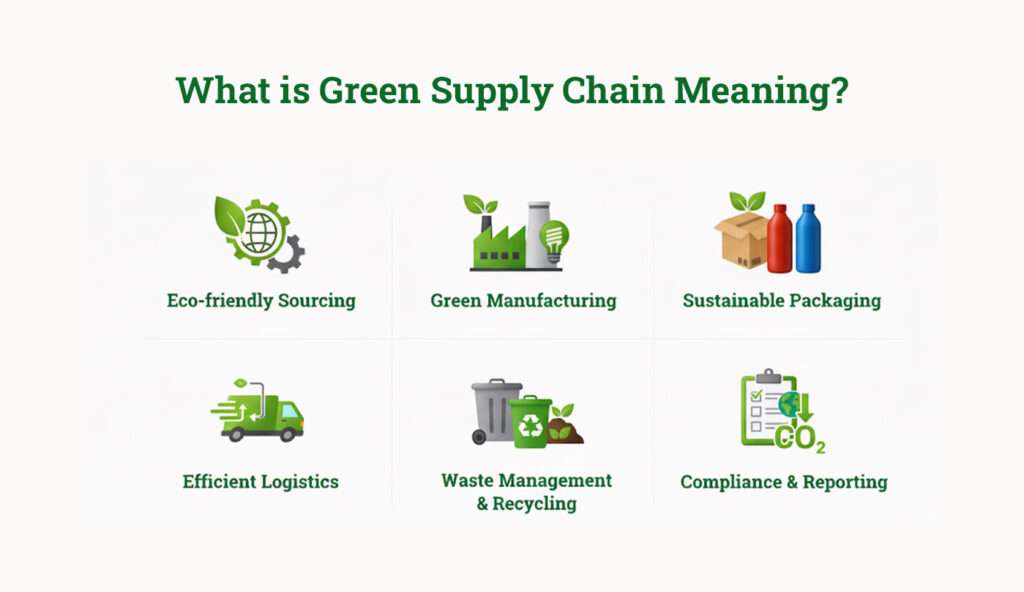
The Path Forward: Creating Tomorrow’s Clean Supply Chains
Sustainable logistics corridors represent more than incremental improvements to existing systems. They embody a fundamental reimagining of how goods move through the global economy. By prioritizing environmental stewardship alongside operational efficiency, these corridors demonstrate that economic prosperity and ecological responsibility can advance together.
The transition will require sustained commitment from businesses, governments, and society. Technology development must continue accelerating, bringing down costs and improving performance of clean alternatives. Policy frameworks must provide stable, long-term signals that justify major infrastructure investments. Consumer demand for sustainable products must remain strong to maintain market incentives.
Success in greening supply chains will compound over time. Early adopters will refine best practices that others can replicate more easily. Technology costs will decline as production scales. Infrastructure networks will expand and interconnect. What seems ambitious today will become standard practice tomorrow.
The logistics corridors we design and build today will shape emissions trajectories for decades to come. Infrastructure decisions create path dependencies that lock in either continued fossil fuel dependence or accelerated clean energy adoption. By choosing wisely now, we can create supply chains that deliver prosperity without compromising the planet for future generations.
Every shipment moved through a sustainable corridor represents progress toward a cleaner future. Every electric truck deployed, every intermodal transfer optimized, and every renewable energy installation commissioned brings us closer to carbon-neutral logistics. The journey toward green supply chains has begun, and momentum is building across industries and continents. The destination—a truly sustainable global logistics system—remains challenging but increasingly within reach.
