
Anúncios
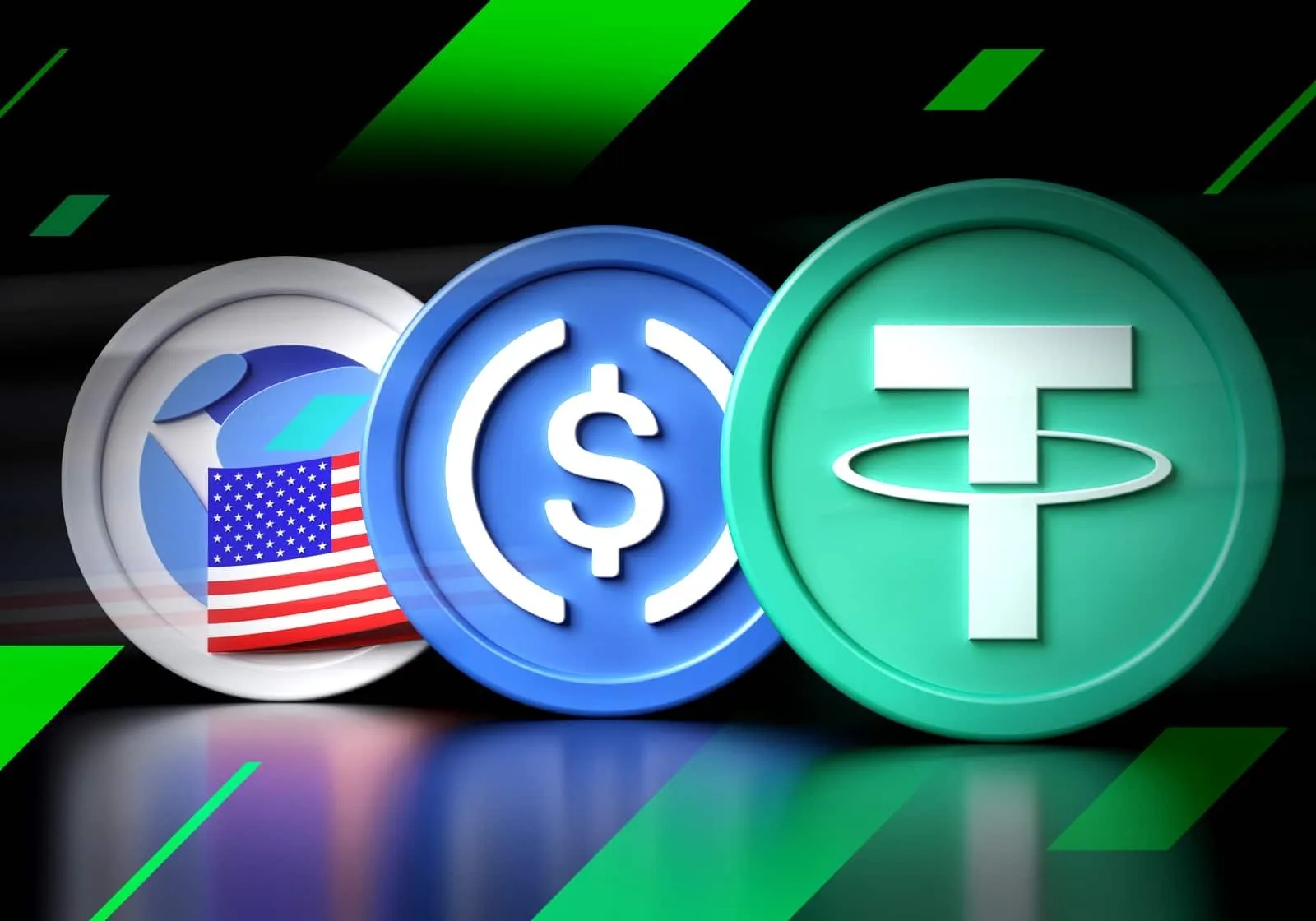
Stablecoins have emerged as pivotal instruments in the digital economy, bridging traditional finance with blockchain innovation while presenting unique regulatory challenges worldwide.

🌐 Understanding the Stablecoin Revolution in Modern Finance
The rapid proliferation of stablecoins has fundamentally transformed how individuals and institutions perceive digital assets. Unlike volatile cryptocurrencies such as Bitcoin or Ethereum, stablecoins maintain price stability by pegging their value to reserve assets like fiat currencies, commodities, or algorithmic mechanisms. This stability has made them indispensable for cross-border transactions, remittances, decentralized finance applications, and as a safe haven during crypto market turbulence.
Anúncios
As of 2024, the stablecoin market has surpassed hundreds of billions in circulation, with major players including USDT, USDC, DAI, and BUSD dominating transaction volumes. Financial institutions, payment processors, and even central banks are recognizing the potential of stablecoins to enhance payment efficiency, reduce transaction costs, and expand financial inclusion. However, this explosive growth has attracted intense regulatory scrutiny from authorities concerned about monetary policy, financial stability, consumer protection, and illicit finance risks.
📋 The Evolving Global Regulatory Framework
Regulatory approaches to stablecoins vary dramatically across jurisdictions, reflecting different policy priorities, legal traditions, and financial system structures. Understanding this fragmented landscape is essential for any organization operating in the stablecoin ecosystem.
Anúncios
European Union’s Comprehensive Approach
The European Union has established itself as a regulatory pioneer through the Markets in Crypto-Assets Regulation (MiCA), which came into effect progressively from 2023. MiCA introduces comprehensive rules specifically addressing asset-referenced tokens and e-money tokens, the two primary categories of stablecoins recognized under EU law.
Under MiCA, stablecoin issuers must obtain authorization from competent authorities, maintain adequate reserves, publish detailed white papers, and comply with strict governance requirements. The regulation mandates reserve assets be held in segregated accounts, prohibits interest payments on stablecoin holdings, and imposes limits on daily transaction volumes to prevent systemic risks. For significant stablecoins that could impact financial stability, additional capital requirements and supervisory oversight by the European Banking Authority apply.
United States: A Patchwork of Federal and State Regulations
The United States presents a more complex regulatory environment, with multiple agencies asserting jurisdiction over different aspects of stablecoin operations. The Securities and Exchange Commission (SEC) evaluates whether certain stablecoins constitute securities under the Howey Test, while the Commodity Futures Trading Commission (CFTC) may claim authority over stablecoins used as commodities.
The Financial Crimes Enforcement Network (FinCEN) requires stablecoin businesses to register as Money Services Businesses and implement anti-money laundering and counter-terrorism financing programs. State-level regulators, particularly the New York Department of Financial Services through its BitLicense regime, impose additional compliance obligations on companies serving local customers.
Legislative proposals such as the Stablecoin TRUST Act and various versions of stablecoin bills have been debated in Congress, though comprehensive federal legislation remains pending. The proposed frameworks generally emphasize bank-like reserve requirements, regular attestations, redemption rights, and federal oversight for systemically important stablecoins.
Asia-Pacific: Diverse Regulatory Postures
Asian jurisdictions demonstrate remarkable diversity in their regulatory approaches. Singapore’s Monetary Authority has integrated stablecoins into its Payment Services Act framework, requiring licensing for digital payment token services and imposing technology risk management standards. Hong Kong has similarly incorporated stablecoin oversight into its licensing regime for virtual asset service providers.
Japan distinguishes between prepaid payment instruments and cryptoassets, with stablecoins potentially falling under either category depending on their structure. South Korea has implemented travel rule requirements for virtual asset transfers and is developing comprehensive legislation addressing stablecoin reserves and redemption mechanisms.
China maintains its restrictive stance, prohibiting cryptocurrency transactions while simultaneously developing its central bank digital currency. This creates a unique environment where private stablecoins face significant barriers while state-backed digital currencies receive full support.
🔍 Key Compliance Pillars for Stablecoin Operations
Regardless of jurisdiction, certain fundamental compliance principles underpin successful stablecoin operations. Organizations must build robust frameworks addressing these core areas to navigate regulatory expectations effectively.
Reserve Management and Transparency
The composition, custody, and verification of reserve assets constitute the foundation of stablecoin credibility. Regulators universally demand that reserves backing stablecoins be adequate, liquid, and segregated from operational funds. Best practices include maintaining reserves in high-quality liquid assets such as short-term government securities, cash, and cash equivalents.
Transparency requirements typically mandate regular attestations by independent accounting firms, with some jurisdictions requiring full audits. Leading stablecoin issuers now publish daily reserve reports detailing asset breakdowns, providing real-time visibility to users and regulators. Implementation of blockchain-based proof-of-reserves mechanisms represents an emerging trend that could enhance verification efficiency.
Anti-Money Laundering and Counter-Terrorism Financing
AML/CFT compliance represents a critical regulatory priority given concerns about stablecoins facilitating illicit finance. Comprehensive programs must include customer due diligence procedures, transaction monitoring systems, suspicious activity reporting, and sanctions screening capabilities.
The Financial Action Task Force’s revised guidance on virtual assets establishes global standards requiring identification and verification of both originators and beneficiaries of virtual asset transfers. This “travel rule” implementation has proven technically challenging but is becoming mandatory across major jurisdictions. Stablecoin platforms must implement solutions enabling compliant information sharing while respecting privacy considerations.
Consumer Protection Mechanisms
Regulators increasingly focus on protecting stablecoin users through disclosure requirements, redemption rights, and dispute resolution mechanisms. Clear terms of service explaining redemption processes, potential fees, and risk factors are essential. Users must understand that stablecoins may not always maintain perfect parity with their reference assets, particularly during market stress.
Complaint handling procedures, educational resources, and transparent communication channels help build user trust while demonstrating regulatory compliance. Some jurisdictions require deposit insurance or compensation schemes for stablecoin holders, aligning treatment with traditional banking products.
💼 Strategic Approaches to Regulatory Compliance
Developing effective compliance strategies requires proactive engagement, technological investment, and organizational commitment extending beyond legal departments.
Establishing Regulatory Intelligence Capabilities
The regulatory landscape evolves continuously, with new guidance, enforcement actions, and legislative proposals emerging regularly. Organizations must establish dedicated functions monitoring global regulatory developments, analyzing their implications, and adapting compliance programs accordingly.
Participation in industry associations, regulatory consultations, and standard-setting bodies provides valuable insights into regulatory thinking and opportunities to shape policy development. Building relationships with regulators through constructive dialogue demonstrates commitment to compliance and can facilitate smoother authorization processes.
Technology Infrastructure for Compliance
Modern compliance obligations require sophisticated technological capabilities. Transaction monitoring systems must detect suspicious patterns in real-time across complex blockchain networks. Know Your Customer platforms need to verify identities efficiently while managing ongoing due diligence obligations.
Blockchain analytics tools have become essential for tracing fund flows, identifying exposure to sanctioned addresses, and conducting investigations. Integration of these technologies into operational workflows enables scalable compliance without sacrificing user experience. Smart contract auditing and continuous security assessments protect against technical vulnerabilities that could compromise compliance.
Governance and Risk Management Frameworks
Robust governance structures ensure compliance responsibilities are clearly assigned, monitored, and escalated appropriately. Board-level oversight of compliance functions signals organizational commitment and ensures adequate resource allocation. Risk assessment processes should identify regulatory, operational, and reputational risks, with mitigation strategies regularly reviewed and updated.
Compliance culture must permeate the entire organization, from product development teams considering regulatory implications of new features to customer service representatives handling user inquiries. Regular training programs keep employees informed about regulatory obligations and emerging risks.
⚖️ Navigating Cross-Border Regulatory Challenges
The borderless nature of blockchain technology creates inherent tensions with territorially-based regulatory frameworks. Stablecoin operations often involve users, infrastructure, and service providers across multiple jurisdictions, raising complex questions about applicable law and regulatory authority.
Multi-Jurisdictional Licensing Strategies
Organizations serving global markets must determine which jurisdictions require local licensing and whether operations can be structured to minimize regulatory fragmentation. Some adopt hub-and-spoke models, obtaining licenses in key regulatory centers while serving other markets through cross-border provisions or partnerships with licensed local entities.
Regulatory passporting regimes, such as those contemplated under MiCA for EU member states, can reduce compliance burdens by enabling authorization in one jurisdiction to be recognized across others. However, such frameworks remain limited, requiring most operators to navigate multiple authorization processes with varying requirements and timelines.
Managing Regulatory Conflicts and Uncertainty
Conflicting regulatory requirements across jurisdictions pose significant challenges. A feature permitted or encouraged in one market may be prohibited in another, forcing organizations to implement jurisdiction-specific controls or restrict service availability. Privacy regulations like GDPR may conflict with blockchain’s inherent transparency, requiring careful technical and legal solutions.
Regulatory uncertainty remains pervasive, with many jurisdictions still developing their approaches to stablecoin oversight. Organizations must balance innovation with prudence, engaging with regulators to clarify expectations while building flexibility into systems to accommodate future requirements. Conservative compliance approaches may limit competitive positioning but reduce regulatory risk.
🚀 Future Trends Shaping Stablecoin Regulation
Several emerging trends will likely influence the regulatory landscape over the coming years, requiring organizations to anticipate and prepare for evolving expectations.
Central Bank Digital Currencies and Competitive Dynamics
The development of central bank digital currencies by monetary authorities worldwide will profoundly impact private stablecoin regulation. Some jurisdictions may restrict or prohibit private stablecoins to protect CBDC adoption, while others may establish frameworks enabling coexistence. Understanding how CBDCs will interact with private stablecoins is essential for long-term strategic planning.
International Regulatory Coordination
Recognition of stablecoins’ cross-border nature is driving increased international cooperation. The Financial Stability Board, Bank for International Settlements, and International Organization of Securities Commissions are developing global standards for stablecoin regulation. While implementation will remain jurisdiction-specific, convergence around core principles would reduce compliance complexity and promote interoperability.
Integration with Traditional Finance
As stablecoins become increasingly integrated into traditional payment systems and financial infrastructure, regulatory frameworks will likely evolve to reflect this convergence. Banks offering stablecoin services, payment networks incorporating stablecoin rails, and institutional adoption of stablecoins for settlement will blur distinctions between crypto and traditional finance, potentially leading to harmonized regulatory treatment.
🎯 Building Sustainable Compliance Programs
Effective compliance cannot be viewed as a one-time project but requires continuous investment, adaptation, and improvement. Organizations that embed compliance into their operational DNA rather than treating it as an external constraint will achieve competitive advantages through reduced regulatory risk, enhanced reputation, and broader market access.
Resource allocation must balance immediate compliance needs with building capabilities for future requirements. Compliance technology investments should prioritize flexibility and scalability, enabling adaptation as regulations evolve. Talent acquisition and retention strategies should recognize the specialized expertise required to navigate this complex landscape, combining legal, technical, and financial knowledge.
Ultimately, viewing regulatory compliance as an opportunity rather than a burden enables organizations to differentiate themselves in increasingly competitive markets. Users and institutional partners prioritize working with compliant, transparent, and trustworthy stablecoin providers. Regulatory clarity, though sometimes constraining, can actually facilitate mainstream adoption by providing the legal certainty necessary for broader market participation.
The stablecoin regulatory landscape will continue evolving as policymakers balance innovation with financial stability, consumer protection, and monetary sovereignty concerns. Organizations that proactively engage with regulators, invest in robust compliance infrastructure, and maintain flexibility to adapt to changing requirements will be best positioned to thrive in this dynamic environment. Success requires not merely reacting to regulatory mandates but anticipating future developments and building compliance capabilities that support sustainable growth while serving the broader objective of responsible financial innovation.
