
Anúncios
Carbon credit trading is reshaping how businesses operate, offering a path to profitability while contributing to global sustainability goals and environmental preservation. 🌍

The transition toward a sustainable economy is no longer optional—it’s a business imperative. Companies worldwide are discovering that environmental responsibility and financial success aren’t mutually exclusive. Instead, they’re finding innovative ways to turn sustainability challenges into competitive advantages through mechanisms like carbon credit trading.
Anúncios
This transformative approach allows organizations to quantify, monetize, and trade their environmental impact, creating new revenue streams while simultaneously reducing their carbon footprint. As governments tighten regulations and consumers demand greener practices, understanding carbon credit trading has become essential for forward-thinking businesses.
Understanding the Carbon Credit Trading Ecosystem 💼
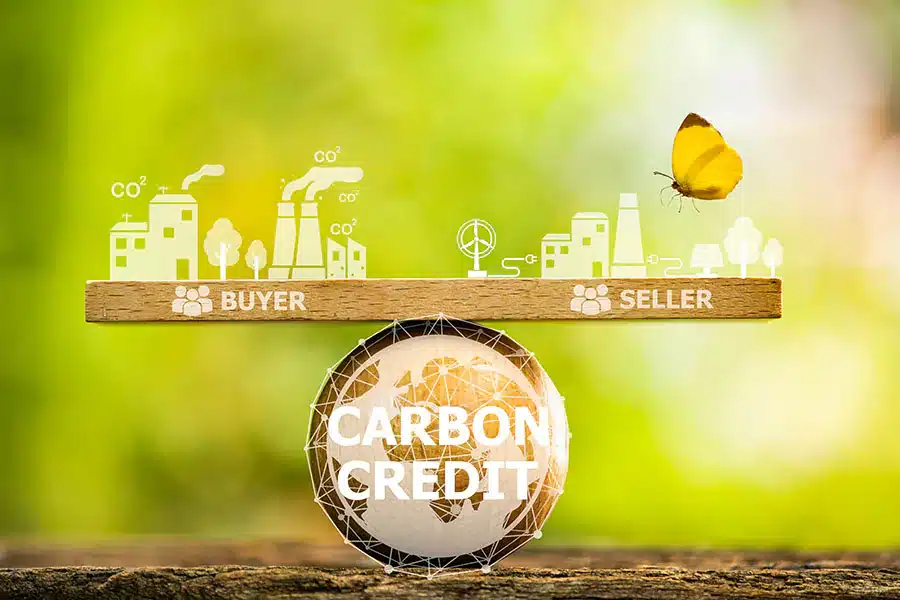
Carbon credit trading operates on a straightforward principle: organizations that reduce emissions below their allocated limits can sell their surplus credits to those exceeding their quotas. Each carbon credit represents one metric ton of carbon dioxide equivalent (CO2e) that has been prevented from entering the atmosphere or removed from it.
Anúncios
The system creates economic incentives for emission reduction, transforming environmental compliance from a cost center into a potential profit generator. Companies can earn credits through various activities, including renewable energy projects, reforestation initiatives, methane capture, and energy efficiency improvements.
Two primary markets exist for carbon trading: compliance markets and voluntary markets. Compliance markets are regulated by mandatory national, regional, or international carbon reduction regimes. The European Union Emissions Trading System (EU ETS) represents the largest compliance market globally. Voluntary markets, meanwhile, allow companies to purchase credits voluntarily to offset their emissions as part of corporate social responsibility initiatives.
The Mechanics Behind Credit Generation
Generating carbon credits requires rigorous verification processes. Projects must demonstrate additionality—proving that emission reductions wouldn’t have occurred without the carbon credit incentive. Third-party validators assess projects using internationally recognized standards like the Verified Carbon Standard (VCS) or the Gold Standard.
This verification process ensures market integrity and prevents greenwashing. It includes baseline establishment, monitoring protocols, verification audits, and issuance procedures. Once credits are issued, they can be traded on exchanges or through direct bilateral agreements between buyers and sellers.
Strategic Advantages for Forward-Thinking Businesses 🚀
Companies embracing carbon credit trading gain multiple strategic advantages beyond environmental compliance. These benefits extend across financial performance, brand reputation, operational efficiency, and market positioning.
Financial benefits are perhaps most immediate. Organizations reducing emissions below their targets can generate significant revenue by selling surplus credits. As carbon pricing continues rising globally, these credits become increasingly valuable assets on corporate balance sheets.
Brand differentiation represents another powerful advantage. Consumers increasingly favor environmentally responsible companies, with studies showing that sustainability influences purchasing decisions across demographics. Businesses actively participating in carbon markets can authentically claim environmental leadership, enhancing customer loyalty and attracting socially conscious investors.
Operational Excellence Through Carbon Management
Pursuing carbon credits naturally drives operational improvements. Companies must measure and monitor their emissions meticulously, revealing inefficiencies that might otherwise remain hidden. This enhanced visibility often leads to cost savings through reduced energy consumption, optimized logistics, and streamlined processes.
Innovation flourishes when organizations commit to carbon reduction. Teams develop creative solutions for emission challenges, from implementing cutting-edge technologies to redesigning supply chains. These innovations frequently yield benefits extending far beyond carbon management, improving overall business performance.
Industries Leading the Carbon Trading Revolution 🏭
Certain sectors have emerged as frontrunners in carbon credit trading, demonstrating how diverse industries can leverage this mechanism effectively.
The energy sector naturally dominates carbon trading, with renewable energy projects generating substantial credits. Wind farms, solar installations, and hydroelectric facilities earn credits by displacing fossil fuel-based electricity generation. Energy companies transitioning to cleaner sources simultaneously reduce compliance costs while creating tradable assets.
Manufacturing and heavy industry represent another significant participant category. These sectors face substantial emission reduction mandates, making carbon trading essential for regulatory compliance. Progressive manufacturers invest in efficiency upgrades and cleaner technologies, transforming compliance obligations into competitive advantages.
Agricultural and Forestry Opportunities
Agriculture and forestry sectors offer enormous carbon sequestration potential. Reforestation projects, improved forest management, and agricultural practices like no-till farming all generate credits. These sectors particularly benefit from voluntary markets, where corporate buyers seek nature-based solutions for offsetting emissions.
Transportation and logistics companies increasingly participate in carbon markets as they electrify fleets and optimize routes. The aviation industry specifically relies heavily on carbon credits to offset unavoidable emissions while developing sustainable aviation fuels and more efficient aircraft.
Navigating Regulatory Frameworks and Compliance Requirements 📋
Understanding regulatory landscapes is crucial for businesses entering carbon markets. Regulations vary significantly across jurisdictions, creating both challenges and opportunities for multinational operations.
The European Union’s Emissions Trading System remains the most established compliance market, covering power generation, manufacturing, and aviation. Companies operating within EU jurisdictions must surrender allowances equal to their verified emissions annually. The system employs a cap-and-trade approach, with the emission cap decreasing progressively to drive reductions.
California operates North America’s most comprehensive cap-and-trade program, linked with Quebec’s system. China launched the world’s largest emissions trading scheme in 2021, initially covering the power sector with plans for expansion. These regional systems demonstrate different approaches to carbon pricing and trading mechanisms.
Voluntary Market Standards and Certifications
Voluntary markets operate under various standards ensuring credit quality and environmental integrity. The Verified Carbon Standard (Verra), Gold Standard, Climate Action Reserve, and American Carbon Registry represent the most recognized certification bodies.
Each standard employs specific methodologies for different project types, with varying requirements for monitoring, reporting, and verification. Businesses must select appropriate standards based on their project characteristics, target markets, and stakeholder expectations.
Building a Robust Carbon Trading Strategy 📊
Developing an effective carbon trading strategy requires systematic planning and cross-functional collaboration. Organizations should approach this process methodically, building capabilities progressively rather than attempting overnight transformation.
The foundation begins with comprehensive carbon accounting. Businesses must measure their emissions across all scopes—direct emissions from owned sources (Scope 1), indirect emissions from purchased energy (Scope 2), and value chain emissions (Scope 3). Accurate measurement enables informed decision-making about reduction opportunities and credit trading strategies.
Setting ambitious yet achievable reduction targets follows measurement. Science-based targets aligned with climate science provide credibility and guide long-term planning. These targets should balance immediate compliance needs with transformative long-term goals, creating a roadmap for continuous improvement.
Implementation Roadmap for Success
Implementation should proceed through clear phases. Initial quick wins demonstrate value and build organizational momentum. These might include energy efficiency improvements, renewable energy procurement, or operational optimizations with rapid payback periods.
Medium-term initiatives involve more substantial investments in technology upgrades, process redesigns, or infrastructure changes. These projects generate credits over multiple years while positioning the organization for future regulatory tightening.
Long-term strategic projects address fundamental business model evolution, potentially including circular economy principles, radical supply chain transformation, or breakthrough technology adoption. While these initiatives require patient capital, they create durable competitive advantages and substantial carbon credit generation potential.
Technology Enablers Transforming Carbon Markets 💻
Digital technologies are revolutionizing carbon credit trading, making it more accessible, transparent, and efficient. Businesses leveraging these tools gain significant operational advantages.
Blockchain technology enhances transparency and traceability in carbon markets. Distributed ledger systems create immutable records of credit issuance, ownership, and retirement, reducing fraud risks and improving market confidence. Several platforms now tokenize carbon credits, enabling fractional ownership and easier trading.
Artificial intelligence and machine learning optimize carbon management strategies. These technologies analyze vast datasets to identify emission reduction opportunities, predict credit prices, and optimize trading timing. AI-powered platforms can monitor projects continuously, providing real-time verification and reducing certification costs.
Digital Platforms Democratizing Access
Online marketplaces are democratizing carbon credit trading, previously dominated by large corporations with specialized teams. Digital platforms connect credit generators with buyers directly, reducing transaction costs and enabling smaller businesses to participate effectively.
These platforms often provide integrated tools for measurement, reporting, verification, and trading, streamlining the entire carbon management lifecycle. Some offer educational resources, community forums, and expert consultation, lowering barriers for newcomers to carbon markets.
Overcoming Common Challenges and Pitfalls ⚠️
Despite its potential, carbon credit trading presents challenges that businesses must navigate carefully. Awareness of common pitfalls enables proactive risk management.
Price volatility represents a significant concern. Carbon credit prices fluctuate based on regulatory changes, economic conditions, and market sentiment. Businesses relying heavily on credit sales revenue face financial uncertainty. Hedging strategies, diversified revenue streams, and flexible business models help manage this volatility.
Greenwashing accusations pose reputational risks. Companies must ensure their carbon credit claims withstand scrutiny, purchasing only high-quality credits from verified sources with genuine environmental impact. Transparency about emission reduction strategies and credit usage builds stakeholder trust.
Quality Assurance and Due Diligence
Not all carbon credits are equal. Some projects face legitimacy questions regarding additionality, permanence, or leakage. Conducting thorough due diligence before purchasing credits protects organizations from investing in low-quality offsets that might later be discredited.
Working with reputable verification bodies, prioritizing projects with co-benefits beyond carbon reduction, and favoring credits from established registries minimizes quality risks. Regular audits and transparent reporting demonstrate commitment to genuine climate action rather than mere compliance box-checking.
Maximizing Value Through Integration and Innovation 🌟
The most successful organizations integrate carbon trading into broader sustainability and business strategies rather than treating it as an isolated compliance function.
Supply chain engagement amplifies impact. Companies can work with suppliers to reduce emissions throughout their value chain, potentially generating credits from supplier initiatives. This collaborative approach strengthens relationships while addressing Scope 3 emissions, often the largest portion of corporate carbon footprints.
Product innovation driven by carbon considerations creates new market opportunities. Developing low-carbon alternatives, circular products, or carbon-neutral services differentiates offerings while contributing to emission reductions. Some companies successfully market carbon-neutral products at premium prices, demonstrating consumer willingness to pay for sustainability.
Stakeholder Engagement as Competitive Advantage
Engaging stakeholders authentically around carbon initiatives builds valuable relationships. Transparent communication about carbon strategies, challenges, and progress fosters trust with investors, customers, employees, and communities.
Employees particularly appreciate working for environmentally responsible organizations. Strong carbon programs support talent attraction and retention, especially among younger workers prioritizing employer values. Internal engagement programs that involve employees in carbon reduction create ownership and drive continuous improvement.
Future-Proofing Through Carbon Market Participation 🔮
Carbon markets will continue evolving as climate urgency intensifies and regulations tighten. Forward-thinking businesses position themselves advantageously by anticipating these trends.
Regulatory expansion appears inevitable. More jurisdictions will implement carbon pricing mechanisms, and existing systems will become more stringent. Companies building carbon management capabilities now will adapt more easily to future requirements, avoiding scrambling for compliance as deadlines approach.
Carbon pricing is likely to rise substantially. As emission reduction targets become more ambitious, credit demand will increase while supply faces constraints from higher quality standards. Organizations generating credits today create appreciating assets while those delaying face increasing compliance costs.
Market sophistication will grow with financial innovations creating new instruments like carbon futures, options, and derivatives. These tools will offer enhanced risk management capabilities but require deeper expertise. Building internal knowledge now prepares organizations for this evolving landscape.
Taking Action: Your Carbon Trading Journey Begins Now 🎯
Starting a carbon trading journey need not be overwhelming. Organizations at any maturity level can take meaningful steps immediately, building capabilities progressively.
Begin with education. Leadership and relevant teams should understand carbon market fundamentals, regulatory requirements, and industry best practices. Numerous resources, including industry associations, consultancies, and online platforms, provide training and guidance.
Conduct a carbon footprint assessment to understand your baseline. This foundational step reveals emission sources, identifies reduction opportunities, and establishes metrics for tracking progress. Many consultancies and software platforms can support this process affordably.
Develop a phased implementation plan balancing quick wins with long-term transformation. Set clear milestones, assign responsibilities, and secure necessary resources. Remember that carbon trading success requires cross-functional collaboration among operations, finance, legal, and communications teams.
The transition to a sustainable economy accelerates daily, and carbon credit trading represents a powerful tool for businesses navigating this transformation. Organizations embracing these mechanisms position themselves not merely to survive regulatory pressures but to thrive by turning environmental responsibility into competitive advantage, innovation catalyst, and revenue generator.
The question isn’t whether to participate in carbon markets but how quickly your organization can build the capabilities to maximize their strategic value. The businesses succeeding in tomorrow’s economy are those taking decisive action today, unlocking the power of carbon credit trading to drive sustainable growth and meaningful environmental impact. 🌱
