
Anúncios
In today’s digital age, protecting your personal content from prying eyes has become more important than ever, whether it’s sensitive photos, private videos, or confidential apps you’d rather keep hidden.


We live in a world where our smartphones contain our entire lives—banking information, personal conversations, intimate photos, and much more. While our devices offer some level of security, they often aren’t enough to protect specific content from friends, family members, or even strangers who might gain temporary access to our phones.
Anúncios
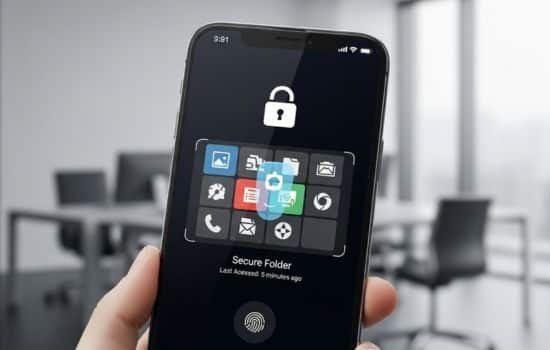
That’s where secure folder apps come into play. These specialized applications create encrypted vaults within your device, allowing you to hide photos, videos, documents, and even other apps behind additional layers of security. Whether you’re concerned about privacy, protecting sensitive work materials, or simply want to keep certain memories away from casual browsing, these apps offer peace of mind in an increasingly connected world.
🔐 Why You Need a Secure Folder App
The reasons for wanting extra privacy on your smartphone are countless and completely legitimate. Perhaps you’re planning a surprise party and need to hide photos from your partner. Maybe you’re working on a confidential project that requires additional security measures. Or you simply value your privacy and don’t want anyone scrolling through your personal gallery when you hand them your phone to view a single photo.
Anúncios
Standard phone security like PIN codes and fingerprint locks protect your entire device, but they don’t offer granular control over specific content. Once someone unlocks your phone—whether with permission or not—they have access to everything. Secure folder apps solve this problem by creating protected spaces that require separate authentication.
Beyond personal privacy, these apps serve practical purposes. Parents often use them to hide content inappropriate for children. Business professionals protect client information and confidential documents. Photographers safeguard their unpublished work. The applications are virtually limitless.
📱 Key Features to Look for in Privacy Apps
Not all secure folder applications are created equal. When choosing the right app for your needs, several critical features should guide your decision.
Military-Grade Encryption
The foundation of any secure folder app is robust encryption. Look for apps that use AES-256 encryption, the same standard used by governments and military organizations worldwide. This ensures that even if someone gains access to your device’s storage, your protected files remain unreadable without the correct credentials.
Multiple Authentication Methods
The best privacy apps offer various ways to unlock your secure vault. PIN codes provide basic protection, while pattern locks offer visual security. Biometric options like fingerprint scanning and facial recognition add convenience without sacrificing security. Some advanced apps even include decoy passwords that open alternative vaults with innocuous content, protecting your real secrets even under duress.
Disguised App Icons
True privacy means hiding not just your content but the existence of the security app itself. Top-tier applications can disguise themselves as calculators, weather apps, or other innocent-looking utilities. This ensures that even if someone picks up your phone, they won’t know you’re using a privacy tool.
Cloud Backup Capabilities
While security is paramount, you don’t want to lose precious memories if your phone is damaged or lost. Quality secure folder apps offer encrypted cloud backup options, ensuring your protected content remains safe even if your device isn’t. These backups maintain the same encryption standards, keeping your files secure during transmission and storage.
🖼️ Hiding Photos and Videos Effectively
Photos and videos are among the most commonly protected items in secure folders. Whether they’re personal memories, sensitive documents captured with your camera, or work-related imagery, keeping them hidden requires the right approach.
When you move photos to a secure folder app, they’re typically removed from your device’s standard gallery. This prevents them from appearing in photo viewers, slideshows, or when someone casually swipes through your images. The apps create an encrypted database where these files are stored, accessible only through the secure application.
Many privacy apps go beyond simple hiding. They offer features like:
- Fake crash screens: If someone tries to open the app without authorization, it displays an error message
- Intruder detection: The app secretly photographs anyone who enters the wrong password
- Break-in alerts: You receive notifications when unauthorized access attempts occur
- Private camera: Take photos directly within the app so they never appear in your regular gallery
- Secure viewing: View your hidden content within the app without leaving traces in recent files

📲 Concealing Apps Within Your Device
Hiding photos is one thing, but some secure folder applications take privacy to the next level by allowing you to hide entire apps. This feature is particularly valuable for several scenarios.
Dating apps, for instance, are something many people prefer to keep private. Social media accounts you’d rather not share, messaging apps for specific contacts, or games you don’t want visible at work—all can be concealed within a secure vault.
How App Hiding Works
App hiding functionality works differently depending on your device and the privacy app you choose. Some methods include:
Clone and Hide: The app creates a cloned version that runs within the secure environment, while the original remains hidden from your app drawer and home screen.
System-Level Hiding: On rooted or specially permissioned devices, some apps can hide other applications at the system level, making them completely invisible until accessed through the secure folder.
Secure Launcher: The privacy app provides an alternative launcher that displays only approved apps, effectively hiding everything else when activated.
Benefits Beyond Privacy
Beyond privacy concerns, app hiding offers practical advantages. You can create a cleaner, more professional home screen for work situations while keeping entertainment apps accessible but hidden. Parents can restrict which apps children can access without completely uninstalling them. You can maintain multiple accounts for the same service without complications.
🛡️ Security Best Practices When Using Privacy Apps
Even the most sophisticated secure folder app can’t protect you from poor security habits. Implementing these best practices ensures maximum protection for your hidden content.
Choose Strong, Unique Passwords
Your secure vault is only as strong as the password protecting it. Avoid obvious choices like birthdates, simple number sequences, or common words. Use a combination of letters, numbers, and special characters. Better yet, use a password manager to generate and store a truly random password.
Enable Two-Factor Authentication
If your privacy app offers two-factor authentication for account recovery or cloud backups, enable it. This adds an extra layer of security, ensuring that even if someone discovers your password, they still can’t access your protected content without the second authentication factor.
Regularly Update Your App
Developers constantly improve security features and patch vulnerabilities. Keep your secure folder app updated to the latest version to benefit from these improvements. Enable automatic updates if you trust the developer to ensure you’re always protected.
Be Cautious with Cloud Backups
While cloud backups are convenient, they introduce potential security risks. Only use backup features from reputable apps with proven encryption standards. Understand where your data is stored and what access the company has to it. Read privacy policies carefully before enabling cloud features.
Don’t Forget Your Recovery Options
Getting locked out of your own secure vault is a real possibility if you forget your password. Set up recovery options when available, but ensure these methods are also secure. Recovery emails should use strong passwords, and security questions should have answers that aren’t easily guessable.
🌟 Top Features That Set Premium Apps Apart
Free secure folder apps provide basic protection, but premium versions offer features that significantly enhance both security and usability.
Decoy Modes and Panic Features
Advanced apps include decoy modes where entering a specific password opens a fake vault with innocuous content. This protects your real secrets even if you’re forced to unlock the app. Panic buttons can instantly close and hide the app if someone approaches while you’re viewing protected content.
Secure Browsing
Some comprehensive privacy apps include built-in secure browsers. These browsers don’t save history, cookies, or cache, allowing you to browse privately without leaving traces. Downloaded files go directly to your secure vault rather than your device’s standard download folder.
Document Protection
Beyond photos and apps, premium secure folder applications protect documents, PDFs, audio files, and other data types. Built-in viewers let you access these files without exporting them to potentially insecure applications.
Secure Notes
Many people need to store sensitive text information—passwords, account numbers, private thoughts, or confidential notes. Integrated secure note-taking features keep this information protected alongside your other hidden content.
Customizable Security Settings
Premium apps offer granular control over security settings. You can set different authentication requirements for different folders, configure automatic locking after specified periods of inactivity, and customize security responses to various scenarios.
📊 Comparing Security Methods: What Works Best?
Understanding different security approaches helps you choose the right combination of features for your needs. Here’s a practical comparison of common security methods:
| Security Method | Strength | Convenience | Best For |
|---|---|---|---|
| PIN Code | Medium | High | Quick access, basic security |
| Pattern Lock | Medium | High | Visual learners, fast unlocking |
| Fingerprint | High | Very High | Regular access, strong security |
| Face Recognition | High | Very High | Hands-free access, modern devices |
| Complex Password | Very High | Low | Maximum security, infrequent access |
| Two-Factor Auth | Very High | Medium | Critical content, cloud access |
💡 Smart Ways to Use Your Secure Folder
Getting the most from your privacy app means understanding creative and practical applications beyond the obvious uses.
Organizing Life’s Compartments
Create separate folders for different aspects of your life. One folder might contain work documents and professional contacts, another personal memories, and a third financial information. This organization makes finding content easier while maintaining security.
Protecting Digital Identity Documents
Store photos of important documents—passports, driver’s licenses, insurance cards, medical records—in your secure folder. You’ll have access when needed, but they’re protected from unauthorized viewing. This proves especially valuable when traveling or in emergencies.
Safeguarding Financial Information
Photos of credit cards, bank account details, and investment documents often need to be accessible but secure. A protected vault provides the perfect balance, letting you reference this information without exposing it to risk.
Creating a Digital Diary
Use the secure notes feature to maintain a private journal. Writing about personal experiences, thoughts, and feelings becomes easier when you know your entries are protected from accidental discovery.
Managing Multiple Social Identities
Many people maintain separate online personas for various purposes. Hide apps associated with specific identities, keeping your online lives neatly separated and preventing accidental cross-posting or exposure.
🚨 Common Mistakes to Avoid
Even with the best security app, certain mistakes can compromise your privacy. Avoiding these common pitfalls ensures your protected content stays secure.
Using Obvious Passwords: Your birthday, phone number, or “1234” offer virtually no protection. If someone wants to access your vault, these will be the first combinations they try.
Sharing Access Casually: The moment you share your secure folder password with someone, it’s no longer secure. Every person who knows the password is a potential security risk, regardless of how much you trust them.
Forgetting About Screenshots: Some people take screenshots of content within their secure vault, forgetting that screenshots are saved to the regular gallery where anyone can view them. Always be conscious of this vulnerability.
Neglecting App Updates: Outdated apps may contain security vulnerabilities that hackers can exploit. Regular updates patch these holes and improve overall protection.
Ignoring Backup Corruption: Occasionally verify that your cloud backups are functioning correctly. Test restoration on a secondary device if possible. Discovering backup failure after losing your phone is too late.
Leaving the App Open: Configure your secure folder app to lock automatically after a short period of inactivity. Leaving it open defeats the entire purpose of the security measures.
🔮 The Future of Mobile Privacy
As technology evolves, so do privacy tools. Understanding emerging trends helps you stay ahead of potential security threats and take advantage of new protective measures.
Artificial intelligence is beginning to play a role in privacy protection. Smart categorization can automatically identify and suggest content for secure storage. AI-powered threat detection can recognize unusual access patterns and alert you to potential security breaches.
Blockchain technology promises decentralized storage solutions where your encrypted data exists across distributed networks rather than centralized servers, making unauthorized access exponentially more difficult.
Biometric authentication continues to advance beyond fingerprints and faces. Voice recognition, heartbeat patterns, and even typing rhythms are being explored as authentication methods that are simultaneously more convenient and more secure.
Privacy regulations worldwide are strengthening, forcing both device manufacturers and app developers to prioritize user privacy. This trend benefits everyone, as better baseline security becomes standard rather than optional.
✨ Making the Right Choice for Your Privacy Needs
Selecting the perfect secure folder app depends on your specific requirements, technical comfort level, and what you’re trying to protect. Someone hiding a few photos has different needs than a business professional protecting confidential client information.
Start by listing what you want to protect and your biggest privacy concerns. Consider who might access your phone and under what circumstances. Evaluate how often you’ll need to access your secured content—frequent access demands convenience, while rarely-accessed material can tolerate stronger but less convenient security.
Read reviews from multiple sources, paying particular attention to security audits and privacy assessments from reputable technology publications. Be wary of apps with vague privacy policies or those requesting excessive permissions unrelated to their core function.
Try free versions or trial periods before committing to premium subscriptions. This hands-on experience reveals whether the app’s interface, features, and security measures align with your expectations and workflow.
Remember that digital privacy is an ongoing commitment, not a one-time setup. Regularly review what you’re protecting, update your security methods, and stay informed about new threats and protective measures. Your peace of mind is worth the effort.
In an age where our digital lives contain our most precious memories, sensitive information, and private moments, taking control of who can access what on our devices isn’t paranoia—it’s wisdom. Secure folder apps provide the tools; implementing them thoughtfully ensures your privacy remains protected in an increasingly connected world.
