
Anúncios
Monitoring your blood pressure has never been easier with the rise of innovative mobile health technology designed to keep your cardiovascular wellness in check. 📱💙

High blood pressure affects millions worldwide, often silently increasing the risk of heart disease, stroke, and other serious health complications. The good news is that technology has evolved to make tracking and managing blood pressure simpler than ever before.
Anúncios
While apps cannot replace medical-grade equipment or professional healthcare advice, they serve as powerful companions in your health journey. From tracking daily readings to identifying patterns and reminders, these digital tools empower users to take control of their cardiovascular health with confidence and clarity.
📊 Understanding Blood Pressure and Why Monitoring Matters
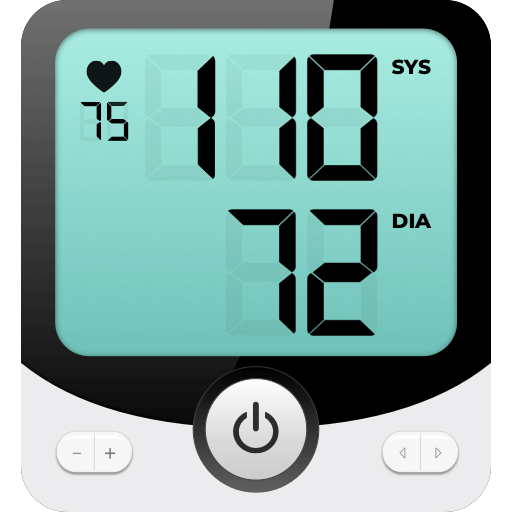
Blood pressure represents the force of blood pushing against artery walls as your heart pumps. It’s measured in two numbers: systolic pressure (when the heart beats) and diastolic pressure (when the heart rests between beats). A normal reading typically sits around 120/80 mmHg.
Anúncios
Consistently elevated readings can damage blood vessels, strain the heart, and lead to life-threatening conditions. Yet hypertension often presents no symptoms, earning its notorious nickname as the “silent killer.” Regular monitoring becomes essential for early detection and effective management.
Many people only check their blood pressure during doctor visits, which may not capture the full picture. Home monitoring provides valuable insights into daily fluctuations influenced by stress, diet, exercise, and medication. This comprehensive data helps healthcare providers make more informed treatment decisions.
💡 How Blood Pressure Monitoring Apps Actually Work
It’s important to clarify what these apps can and cannot do. Contrary to some misleading claims, smartphones cannot measure blood pressure directly through the camera or touchscreen. The technology simply isn’t there yet for accurate readings without specialized hardware.
Instead, legitimate blood pressure apps function as digital logbooks and health trackers. Users manually input readings taken from FDA-approved home monitors, and the app organizes this data into meaningful charts, trends, and reports.
Some advanced apps integrate with Bluetooth-enabled blood pressure monitors, automatically syncing measurements without manual entry. This seamless connection reduces human error and makes tracking effortless, encouraging consistent monitoring habits.
The real value lies in data visualization and analysis. Apps transform raw numbers into understandable graphs showing patterns over days, weeks, or months. They highlight concerning trends, remind users to take measurements, and can even generate reports to share with doctors.
🌟 Key Features to Look for in Blood Pressure Apps
Not all health apps are created equal. When choosing a blood pressure monitoring application, certain features separate truly helpful tools from basic trackers.
Easy Data Entry and Organization
The app should make logging readings quick and intuitive. Look for large, clear input fields for systolic and diastolic values, plus pulse rate. The ability to add notes about circumstances (after exercise, morning reading, medication taken) adds valuable context.
Visual Charts and Trend Analysis
Colorful graphs that display your readings over time help identify patterns at a glance. The best apps use color coding based on medical guidelines, making it easy to see when readings fall into normal, elevated, or hypertensive ranges.
Medication and Reminder Systems
Built-in reminders ensure you don’t forget to take measurements or medications. Customizable notifications can prompt you to check your pressure at specific times when readings are most reliable.
Report Generation and Sharing
The ability to export data as PDF reports or share directly with healthcare providers streamlines communication. Your doctor can review weeks of readings in minutes rather than relying on memory or scattered notes.
Multiple User Profiles
If family members also monitor their blood pressure, apps supporting multiple profiles keep everyone’s data separate and organized. This feature is particularly valuable for caregivers managing elderly relatives’ health.
Privacy and Data Security
Health information is deeply personal. Choose apps with clear privacy policies, encrypted data storage, and options to control who can access your information. Avoid apps that sell user data to third parties.
🏥 The Medical Benefits of Consistent Tracking
Regular monitoring through apps provides benefits that extend far beyond simple record-keeping. Healthcare professionals increasingly recognize the value of patient-generated health data in managing hypertension effectively.
Home monitoring reveals “white coat hypertension,” where patients show elevated readings in clinical settings due to anxiety, but normal readings at home. Conversely, it can uncover “masked hypertension,” where office readings appear normal but home measurements are consistently high.
Tracking helps determine if medications are working properly throughout the day. Blood pressure naturally fluctuates, and a single office reading might not reflect true control. Multiple daily measurements captured in apps paint a more accurate picture of medication effectiveness.
Apps also improve patient engagement and treatment adherence. When people actively participate in monitoring their health, they become more invested in positive lifestyle changes. Seeing progress visually motivates continued healthy behaviors.
Research shows that patients who regularly monitor blood pressure and share data with their doctors achieve better control than those who don’t. The feedback loop between patient and provider becomes tighter and more responsive to changes.
🔍 Choosing the Right Blood Pressure Monitor for App Integration
To maximize the benefits of blood pressure apps, you’ll need a quality home monitoring device. Not all monitors are equal in accuracy, ease of use, or app compatibility.
Upper Arm vs. Wrist Monitors
Medical professionals generally recommend upper arm monitors over wrist devices. Arm monitors tend to provide more accurate readings because the cuff is positioned at heart level. Wrist monitors can be convenient but are more sensitive to positioning errors.
Validated Accuracy
Look for monitors validated by organizations like the American Medical Association, British Hypertension Society, or European Society of Hypertension. Validation means the device has undergone rigorous testing against clinical standards.
Bluetooth Connectivity
Wireless monitors that sync automatically with your smartphone eliminate manual data entry. This seamless integration makes tracking effortless and reduces transcription errors that can occur when manually typing numbers.
Cuff Size Matters
An improperly sized cuff produces inaccurate readings. Measure your upper arm circumference and choose a monitor with an appropriate cuff size. Many quality monitors include adjustable cuffs that fit a range of arm sizes.
Additional Features
Some monitors detect irregular heartbeats, average multiple readings, or store data for multiple users. Consider which features align with your specific health needs and household situation.
📱 Best Practices for Using Blood Pressure Apps Effectively
Having the right tools is only part of the equation. Following best practices ensures your data is accurate, meaningful, and useful for health management.
Measure at Consistent Times
Blood pressure naturally varies throughout the day. Taking readings at the same times daily (typically morning and evening) provides comparable data. Avoid measuring immediately after exercise, eating, or smoking.
Sit Properly During Measurements
Rest for five minutes before measuring. Sit with your back supported, feet flat on the floor, and arm supported at heart level. Don’t cross your legs or talk during measurement.
Take Multiple Readings
Take two or three readings one minute apart and record all of them in your app. The average provides a more reliable result than a single measurement.
Add Contextual Notes
Record factors that might influence readings: stress levels, physical activity, medication timing, dietary changes, or unusual circumstances. This context helps identify patterns and triggers.
Review Trends Regularly
Don’t just log data and forget it. Spend a few minutes weekly reviewing your charts and trends. Look for patterns related to specific activities, foods, or times of day.
Share with Your Healthcare Provider
Bring your app data to medical appointments. Many doctors appreciate seeing comprehensive home readings rather than relying solely on office measurements. Some apps allow you to email reports directly to your healthcare team.
⚠️ Common Mistakes to Avoid When Monitoring Blood Pressure
Even with excellent apps and equipment, certain errors can compromise the accuracy and usefulness of your monitoring efforts.
Obsessive measuring can create anxiety that actually raises blood pressure. Unless your doctor recommends frequent checks, two readings daily is typically sufficient for most people managing hypertension.
Changing arm positions or using different arms inconsistently can produce varying results. Choose one arm (typically the one with higher readings) and stick with it for all measurements.
Ignoring device maintenance leads to inaccurate readings over time. Have your monitor professionally checked for accuracy every year, and replace batteries as needed to ensure proper function.
Making medication changes based solely on app data without consulting your doctor is dangerous. Apps are tools for tracking, not diagnostic devices. Always discuss concerning patterns with healthcare professionals before adjusting treatment.
Relying on apps that claim to measure blood pressure without a cuff is setting yourself up for false readings. No smartphone app can accurately measure blood pressure through the camera or touchscreen despite marketing claims.
🌐 The Future of Blood Pressure Monitoring Technology
Innovation continues advancing how we monitor cardiovascular health. Emerging technologies promise even more convenient and accurate ways to track blood pressure in everyday life.
Wearable devices like smartwatches are being developed with cuffless blood pressure monitoring capabilities. While not yet matching traditional cuff accuracy, this technology is improving rapidly and could revolutionize continuous monitoring.
Artificial intelligence integration in health apps is becoming more sophisticated. AI algorithms can analyze patterns, predict potential health events, and provide personalized recommendations based on individual data trends.
Telemedicine integration allows apps to connect directly with healthcare providers, enabling remote monitoring programs. Doctors can receive alerts when patient readings fall outside safe ranges, allowing proactive intervention.
Research into non-invasive sensors that measure blood pressure through contact with the skin or even remotely continues progressing. While these technologies remain experimental, they represent the future of seamless health monitoring.
🧘 Lifestyle Integration: Beyond the Numbers
While tracking numbers is valuable, managing blood pressure requires holistic lifestyle attention. The best apps recognize this by offering features beyond simple measurement logging.
Many comprehensive health apps include sections for tracking diet, exercise, weight, and stress levels. These factors profoundly influence blood pressure, and monitoring them alongside readings reveals important connections.
Mindfulness and breathing exercises built into some apps help users manage stress, a significant blood pressure contributor. Guided relaxation sessions practiced regularly can complement medical treatment effectively.
Educational content within apps helps users understand their condition better. Articles, videos, and tips about heart-healthy nutrition, exercise recommendations, and medication information empower informed health decisions.
Goal-setting features encourage positive behavior changes. Setting targets for weight loss, daily steps, or sodium reduction and tracking progress creates motivation and accountability.
💬 Real User Experiences and Success Stories
The practical impact of blood pressure monitoring apps becomes clearest through the experiences of people using them daily to manage their health.
Many users report that consistent tracking helped them identify specific triggers for blood pressure spikes. One user discovered that their morning coffee routine was consistently followed by elevated readings, prompting a switch to decaf that improved their numbers significantly.
Healthcare providers share stories of patients whose comprehensive app data led to more effective treatment adjustments. Instead of relying on quarterly office visits, doctors can see daily patterns and fine-tune medications based on real-world evidence.
Caregivers managing elderly parents’ health find apps invaluable for remote monitoring. Even when physically distant, they can review readings, ensure measurements are happening regularly, and coordinate with healthcare providers when concerns arise.
Users frequently mention how visualizing their progress motivates continued healthy habits. Watching blood pressure numbers gradually improve over weeks and months provides tangible evidence that lifestyle changes are working.
🎯 Making the Most of Your Blood Pressure App Journey
Adopting a blood pressure monitoring app represents a commitment to proactive health management. Success comes from viewing the app as a partner in a larger wellness strategy rather than a magic solution.
Start with realistic expectations. Apps won’t cure hypertension, but they’ll provide valuable insights that support effective management alongside medical care, medication, and lifestyle changes.
Be patient with the learning curve. Establishing consistent monitoring habits takes time. Most people need several weeks before tracking becomes second nature rather than a chore.
Celebrate small victories. Each week of consistent monitoring, every slight improvement in readings, and all positive lifestyle changes deserve recognition. Progress isn’t always linear, but persistence pays off.
Remember that you’re not alone in this journey. Millions of people worldwide manage hypertension successfully with the help of modern technology. Apps connect you to a community of health-conscious individuals taking control of their cardiovascular wellness.
🔐 Privacy Considerations in Health Data Management
As with any health technology, protecting your personal medical information should remain a top priority when using blood pressure monitoring apps.
Read privacy policies carefully before downloading any health app. Understand what data is collected, how it’s stored, who has access, and whether it’s shared with third parties.
Choose apps that encrypt data both in transit and at rest. This security measure ensures that even if data is intercepted, it remains unreadable without proper authorization.
Be cautious about apps requiring unnecessary permissions. A blood pressure tracker doesn’t need access to your contacts, photos, or location to function properly.
Consider whether you’re comfortable with cloud storage of health data. Some apps offer local-only storage options that keep your information exclusively on your device.
Regularly review connected devices and authorized users. Remove access for any apps or services you no longer use to minimize potential security vulnerabilities.

✨ Empowering Your Heart Health Journey
Blood pressure monitoring apps represent a powerful fusion of medical knowledge and modern technology, placing sophisticated health management tools directly in your hands. They transform abstract numbers into meaningful insights, passive awareness into active engagement, and isolated measurements into comprehensive health narratives.
The journey to better cardiovascular health doesn’t require perfection—it requires consistency, awareness, and the willingness to make informed choices. Whether you’re newly diagnosed with hypertension, managing long-standing blood pressure issues, or simply taking proactive steps toward better health, these digital companions offer support every step of the way.
Technology continues evolving, but the fundamental principle remains constant: knowledge empowers action. By tracking your blood pressure regularly, recognizing patterns, and working closely with healthcare providers, you’re taking meaningful steps toward a healthier future. Your heart works tirelessly for you every moment of every day—these apps help you return the favor through mindful, informed care.
Download a quality blood pressure monitoring app today, pair it with a validated home monitor, and begin writing your own success story in cardiovascular wellness. Your future self will thank you for the commitment you make to heart health right now. 💙
