
Anúncios
Metal detecting has evolved from a niche hobby into a widely accessible activity, thanks to innovative smartphone apps that transform your device into a functional detector.



Whether you’re searching for hidden treasures, locating lost jewelry, or simply exploring the science behind magnetic fields, metal detector apps offer a convenient starting point. These applications leverage the built-in magnetometer sensor found in most modern smartphones to detect metal objects nearby.
Anúncios
While they won’t replace professional-grade equipment for serious treasure hunting, these apps provide surprising accuracy for everyday use. From helping you find lost keys in the couch to identifying metal studs behind walls, the practical applications are diverse and genuinely useful. 🔍
How Metal Detector Apps Actually Work
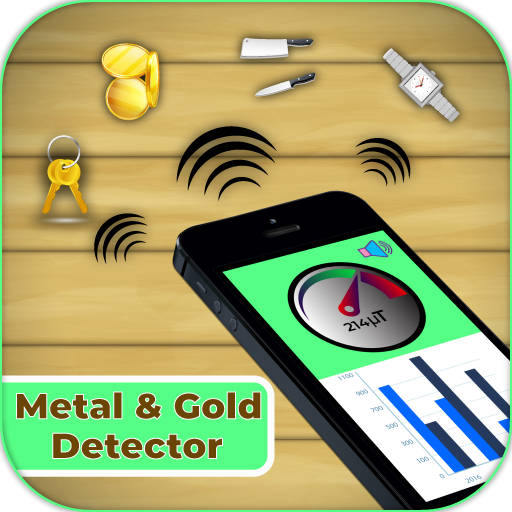
The technology behind these apps is both simple and fascinating. Every smartphone contains a magnetometer, originally designed to support compass functionality and location services. This tiny sensor measures magnetic field strength in microteslas (µT).
Anúncios
When metal objects come near your phone, they disturb the ambient magnetic field. The app monitors these fluctuations and translates them into visual or audio feedback. Ferromagnetic materials like iron and steel produce the strongest signals, while non-ferrous metals like gold and silver generate weaker responses.
The sensor’s sensitivity varies between device models, with newer smartphones generally offering more precise measurements. Most apps display readings in real-time, using meters, graphs, or sound variations to indicate proximity to metal objects.
Understanding these limitations helps set realistic expectations. Unlike professional metal detectors that can penetrate deep into soil, smartphone apps work best at short distances—typically within a few inches of the target object.
Best Uses for Metal Detector Apps 📱
These applications shine in practical, everyday scenarios rather than professional treasure hunting expeditions. Here are the most common and effective use cases:
- Locating lost metal objects: Finding dropped jewelry, keys, or coins in carpets, sand, or grass
- Home improvement projects: Detecting metal studs, pipes, or electrical wiring behind walls
- Electronics troubleshooting: Identifying magnetic interference in devices
- Educational purposes: Teaching children about magnetism and electromagnetic fields
- Casual treasure hunting: Exploring beaches, parks, or historical sites for small metallic items
- Security screening: Checking packages or bags for hidden metal components
Many users discover unexpected applications once they start experimenting. Some people use these apps to verify the authenticity of metal objects, while others employ them to check if cooking pots are suitable for induction stoves.
Can These Apps Really Detect Gold? ✨
This question tops the list of user inquiries, and the answer requires nuance. Gold itself is diamagnetic, meaning it’s actually slightly repelled by magnetic fields rather than attracted to them. This makes detection significantly more challenging than with ferromagnetic metals.
However, gold items often contain alloys mixed with other metals like copper, silver, or nickel. These alloys can produce detectable magnetic signatures, especially in jewelry with lower karat ratings. Pure 24-karat gold generates minimal magnetic response and remains extremely difficult to detect with smartphone apps.
Professional gold prospectors use specialized equipment with pulse induction or very low frequency (VLF) technology, which operates on entirely different principles than smartphone magnetometers. These devices cost hundreds or thousands of dollars for good reason.
That said, if you’ve lost a gold ring in your home or yard, a metal detector app might help by detecting the iron or nickel content in the alloy. Managing expectations is crucial—don’t expect to strike it rich prospecting for gold nuggets with just your phone.
Top Features to Look for in Detection Apps
Not all metal detector apps are created equal. When choosing one for your needs, consider these essential features that separate quality applications from gimmicky downloads:
Accurate calibration tools allow you to zero out the ambient magnetic field in your environment. This baseline measurement improves detection accuracy by filtering out background interference from electronics, reinforced concrete, or naturally magnetic soil.
Multiple display modes offer flexibility in how information is presented. Some users prefer numerical readings in microteslas, while others find visual meters or color-coded indicators more intuitive. Audio feedback with varying pitch or frequency helps when you can’t constantly watch the screen.
Data logging capabilities let serious users track their finds over time. Recording locations, field strengths, and object types creates valuable reference information for future searches in similar environments.
Customizable sensitivity settings help filter out small or distant objects when searching for specific targets. This prevents constant alerts from tiny staples or nails when you’re looking for larger items like pipes or lost tools.
Interface Design Matters
The best apps balance functionality with clean, uncluttered design. Complicated interfaces with excessive features often frustrate users during actual detection scenarios when quick, clear feedback is essential.
Look for apps that work in portrait or landscape mode, offer large, readable displays, and don’t bombard you with intrusive advertisements during use. Battery efficiency also deserves consideration since continuous sensor access drains power quickly.
Accuracy Limitations and Realistic Expectations ⚙️
Understanding what these apps cannot do is just as important as knowing their capabilities. Smartphone magnetometers were never designed for metal detection as a primary function, which inherently limits their effectiveness.
Detection depth rarely exceeds 6-8 inches under optimal conditions, and dense materials like clay or highly mineralized soil further reduce this range. Professional metal detectors can scan several feet deep, making them incomparably more effective for serious prospecting.
Environmental interference poses another challenge. Power lines, rebar in concrete, electronic devices, and even mineral content in rocks create magnetic noise that confuses readings. Distinguishing signal from noise requires practice and patience.
Temperature extremes affect sensor performance. Very cold or hot environments can cause drift in baseline readings, requiring frequent recalibration. Keeping your phone at moderate temperatures improves consistency.
Phone-to-Phone Variation
Sensor quality varies dramatically between smartphone models. Budget devices often include lower-grade magnetometers with reduced sensitivity and accuracy. Flagship phones from major manufacturers typically feature superior sensors that deliver noticeably better performance.
If metal detection becomes a serious hobby, researching your specific phone model’s sensor specifications can provide insight into expected performance levels. Online forums dedicated to metal detecting often include comparisons of different devices.
Practical Tips for Better Detection Results 🎯
Maximizing effectiveness requires technique refinement beyond simply downloading an app and waving your phone around. These strategies significantly improve your success rate:
Start with calibration in a metal-free zone. Go outdoors away from buildings, vehicles, and underground utilities. Let the app establish a clean baseline before beginning your search.
Move slowly and methodically. Quick, sweeping motions give sensors insufficient time to register field changes. Maintain consistent distance from the ground and overlap your search pattern to avoid gaps.
Learn your app’s audio cues. Watching the screen continuously is impractical and tiring. Familiarize yourself with how pitch, volume, or beep frequency changes with proximity to metal objects.
Test with known objects first. Bury coins, keys, or jewelry at various depths in your yard. This training helps you recognize genuine signals and understand your detection radius.
Remove phone cases during use. Thick cases, especially those with metal plates for magnetic mounts, interfere with sensor accuracy. Bare phones perform better, though use caution to protect your device.
Environmental Considerations
Beach detection works best on dry sand rather than wet areas where saltwater increases conductivity and creates confusing signals. Parks and fields with minimal trash yield more satisfying results than urban environments cluttered with bottle caps and pull tabs.
Early morning or late evening searches avoid both crowd interference and the physical discomfort of midday heat. Plus, lighting conditions at these times often help visually spot disturbed soil or partially exposed objects.
Comparing Apps to Professional Equipment
The price difference between free smartphone apps and professional metal detectors reflects fundamental technological gaps. Entry-level dedicated detectors start around $200, with advanced models exceeding $1,000.
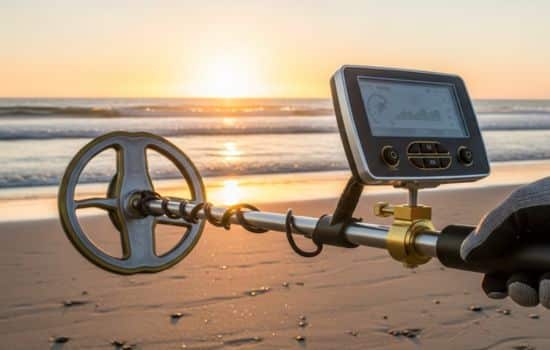
Professional equipment offers adjustable frequency settings, ground balance controls, discrimination capabilities to filter specific metal types, and waterproof construction for diverse environments. Search coils of various sizes optimize performance for different target sizes and depths.
| Feature | Smartphone App | Professional Detector |
|---|---|---|
| Cost | Free to $10 | $200 to $1,500+ |
| Detection Depth | 1-6 inches | 6-36+ inches |
| Metal Discrimination | Limited/None | Advanced |
| Portability | Excellent | Moderate |
| Learning Curve | Easy | Moderate to Steep |
| Weather Resistance | Phone-dependent | Often waterproof |
For casual users exploring the hobby or handling occasional household detection tasks, apps provide excellent entry points without financial commitment. Serious enthusiasts eventually invest in dedicated hardware once they understand their specific needs and interests.
Safety and Legal Considerations 🔒
Metal detecting, whether with apps or professional equipment, carries responsibilities that users should understand before beginning their searches.
Property permissions are mandatory. Never search private property without explicit owner consent. Public parks, beaches, and lands often have specific regulations about metal detecting, digging, and artifact removal. Research local ordinances before your first outing.
Historical and archaeological sites require special caution. Many jurisdictions protect these areas with strict laws against unauthorized artifact collection. Violations can result in significant fines or criminal charges.
Fill your holes completely. Whether you’re digging in your yard or a permitted public space, restore the area to its original condition. Unfilled holes create trip hazards and damage ecosystems.
Dispose of trash responsibly. Metal detecting often uncovers bottle caps, pull tabs, and other debris. Collecting and properly disposing of these items leaves areas cleaner than you found them.
Reporting Significant Finds
If you discover items of potential historical significance—old coins, jewelry, weapons, or artifacts—consider reporting them to local historical societies or museums. Some jurisdictions legally require reporting valuable or historically important finds.
This practice contributes to community knowledge and historical preservation while often providing fascinating context about your discoveries. Many detectorists find this educational aspect as rewarding as the finds themselves.
Educational Value and Scientific Learning 🔬
Beyond treasure hunting, metal detector apps serve as outstanding educational tools for teaching electromagnetic principles. Students gain hands-on experience with concepts that often seem abstract in textbooks.
Demonstrating how different metals produce varying magnetic signatures illustrates atomic structure and electron behavior. Measuring field strength at different distances introduces inverse square law relationships in an accessible, engaging format.
Science teachers incorporate these apps into lessons about Earth’s magnetic field, navigation, and sensor technology. The immediate feedback and visual representations help learners of all ages grasp complex physics concepts intuitively.
Parents can turn outdoor walks into interactive STEM activities, encouraging children to hypothesize which objects will trigger the detector and why. This inquiry-based learning develops critical thinking skills alongside scientific knowledge.
Future Development and Technology Trends
As smartphone sensor technology advances, metal detector apps will likely become more sophisticated and capable. Manufacturers continue improving magnetometer sensitivity, accuracy, and power efficiency with each device generation.
Machine learning integration represents an exciting frontier. Apps could potentially learn to distinguish between metal types more effectively by analyzing complex signal patterns that surpass simple magnetic field measurements.
Augmented reality features might overlay detection data onto camera views, showing visual indicators of metal location and approximate depth. This would dramatically improve user experience and search efficiency.
Community features allowing users to share finds, locations, and techniques could transform solo activities into connected experiences. Social components might include achievement systems, regional leaderboards, or collaborative treasure maps.
Making the Most of Your Digital Detector 💎
Success with metal detector apps comes from combining realistic expectations with proper technique and patience. These tools excel at specific tasks within their operational limitations.
Start with simple objectives like finding lost items around your home or yard. As you develop familiarity with your app’s behavior and your phone’s sensor capabilities, gradually expand to more ambitious projects.
Join online communities where enthusiasts share tips, success stories, and helpful advice. Learning from experienced users accelerates your skill development and helps you avoid common beginner mistakes.
Document your finds with photos and notes. Over time, you’ll build a personal collection of discoveries that might include genuinely interesting or valuable items alongside the inevitable bottle caps and rusty nails.
Remember that the journey often matters more than the destination. Many people discover that the peaceful, meditative aspects of searching—combined with occasional excitement of genuine finds—create a satisfying hobby regardless of monetary value recovered.
Whether you’re recovering lost wedding rings, exploring historical sites, teaching children about science, or simply enjoying weekend outdoor activities, metal detector apps offer accessible entry into a fascinating world where technology meets treasure hunting in the palm of your hand. 🌟
