
Anúncios
Digital Braille reading apps are transforming accessibility for the visually impaired community, offering innovative tools that bridge the gap between traditional tactile reading and modern technology.



The evolution of assistive technology has opened unprecedented opportunities for blind and visually impaired individuals. Digital Braille applications represent a significant leap forward, combining the time-tested Braille system with cutting-edge smartphone capabilities to create powerful reading solutions.
Anúncios
These innovative applications aren’t just converting text—they’re revolutionizing how millions of people access information, education, and entertainment. By harnessing smartphone cameras and advanced recognition algorithms, digital Braille apps are making the written word more accessible than ever before.
📱 Understanding Digital Braille Technology
Digital Braille reading applications utilize sophisticated optical character recognition (OCR) technology specifically designed to identify and interpret Braille patterns. Unlike traditional OCR that reads standard printed text, these specialized systems can detect the raised dot patterns that form Braille characters.
Anúncios
The technology works by capturing images of Braille text through a smartphone camera. Advanced algorithms then analyze the spacing, positioning, and configuration of the dots to accurately translate them into digital text or audio output. This process happens in real-time, providing immediate feedback to users.
Modern digital Braille apps support multiple Braille codes, including Grade 1, Grade 2, and even specialized mathematical and musical notation systems. This versatility ensures that users can access a wide range of content regardless of the Braille format used in the source material.
🔍 How Recognition Algorithms Work
The recognition process begins with image preprocessing, where the app adjusts brightness, contrast, and orientation to optimize dot detection. Machine learning models trained on thousands of Braille samples then identify individual cells and convert them into their corresponding characters.
These algorithms must account for variations in dot size, paper texture, printing quality, and even wear patterns on frequently touched materials. The most advanced applications achieve accuracy rates exceeding 95%, even with challenging source documents.
🌟 Key Features That Empower Users
Contemporary digital Braille reading applications offer an impressive array of features designed to enhance accessibility and user experience. These tools go far beyond simple text recognition, creating comprehensive reading ecosystems.
Real-time audio conversion stands as one of the most valued features. As the camera scans Braille text, the app immediately reads it aloud using natural-sounding text-to-speech engines. Users can adjust reading speed, voice selection, and language preferences to match their personal needs.
Document storage and organization capabilities allow users to save scanned materials for later reference. Many apps create searchable libraries where previously scanned texts can be quickly located and reviewed without needing to rescan the physical document.
📚 Multi-Language Support
Leading digital Braille applications support dozens of languages, recognizing that Braille systems vary significantly across linguistic contexts. English, Spanish, French, Arabic, and Chinese Braille codes each have unique characteristics that require specialized recognition capabilities.
This multilingual functionality opens educational and professional opportunities for users worldwide. Students can access textbooks in multiple languages, while professionals can work with international documents without language barriers limiting their productivity.
🎯 Customization Options
Personalization features ensure that each user can tailor the app to their specific requirements. Adjustable camera guides help position documents correctly, while haptic feedback confirms successful scans. Color contrast settings and interface simplification options make the apps usable even for individuals with partial vision.

💡 Educational Impact and Learning Benefits
Digital Braille reading apps have transformed educational accessibility for blind students. These tools provide immediate access to textbooks, worksheets, and classroom materials that might otherwise require specialized printing or lengthy conversion processes.
Students using these applications demonstrate improved reading comprehension and increased independence in their studies. The ability to scan and review materials at their own pace, without waiting for assistance, builds confidence and promotes self-directed learning.
Teachers and educational institutions benefit equally from this technology. Creating accessible materials becomes simpler when students can use their own devices to access Braille content. This flexibility reduces the burden on special education departments and accelerates the inclusion process.
🎓 Supporting Lifelong Learning
Beyond formal education, digital Braille apps facilitate continuous learning throughout life. Adults can pursue professional certifications, learn new skills, and stay informed about current events by accessing newspapers, magazines, and online courses previously unavailable in accessible formats.
Public libraries and community centers increasingly recognize the value of these applications, offering training programs that help visually impaired patrons maximize the technology’s potential. These initiatives create more inclusive community spaces where everyone can access information equally.
🏢 Professional Applications and Workplace Integration
In professional environments, digital Braille reading applications level the playing field for visually impaired employees. Workers can independently review documents, contracts, reports, and correspondence without requiring constant assistance from colleagues.
The speed and efficiency of these apps enhance productivity significantly. Tasks that once required human readers or specialized equipment can now be completed immediately using a smartphone. This independence strengthens professional confidence and career advancement opportunities.
Industries ranging from law and healthcare to technology and education have embraced digital Braille tools as part of their accessibility infrastructure. Forward-thinking employers recognize that providing these resources isn’t just about compliance—it’s about empowering talented individuals to contribute their full potential.
⚖️ Legal and Healthcare Document Access
In legal and healthcare settings where document accuracy is critical, digital Braille apps provide reliable access to essential information. Patients can independently review medical instructions, consent forms, and test results. Legal professionals can verify contract details and case files without relying on third-party readers.
This independence protects privacy and confidentiality while ensuring that individuals maintain control over sensitive personal information. The ability to verify critical details personally reduces miscommunication risks and promotes informed decision-making.
🌐 Social Connectivity and Daily Life Enhancement
Digital Braille reading applications extend their impact beyond formal education and professional settings into everyday social interactions. Users can read restaurant menus, product labels, medication instructions, and signage—activities that promote independence and social participation.
Personal correspondence becomes more accessible as well. Greeting cards, handwritten notes, and printed invitations can be quickly scanned and read, maintaining social connections that might otherwise fade due to accessibility barriers.
The psychological benefits of this independence cannot be overstated. Users report increased confidence, reduced reliance on assistance, and greater willingness to engage in social activities knowing they can access written information independently when needed.
🔧 Technical Requirements and Device Compatibility
Most digital Braille reading applications work with standard smartphones, requiring no specialized hardware beyond a functional camera. Both iOS and Android platforms support multiple quality applications, ensuring broad accessibility regardless of device preference.
Minimum technical specifications typically include a camera with at least 5-megapixel resolution and sufficient processing power to run recognition algorithms smoothly. Most smartphones manufactured within the past five years meet these requirements easily.
Storage needs remain modest, with most applications requiring less than 100MB of space. Cloud integration options allow users to store scanned documents externally, preserving device storage for other purposes while maintaining access to their reading library.
🔋 Battery Optimization and Performance
Developers have optimized these applications to minimize battery consumption during extended reading sessions. Smart power management features activate camera and processing components only when actively scanning, preserving battery life for all-day use.
Performance optimization ensures smooth operation even on mid-range devices. Progressive loading techniques and efficient memory management prevent crashes or slowdowns, even when processing lengthy documents or working with large libraries.
🚀 Future Developments and Emerging Technologies
The future of digital Braille reading applications promises even greater capabilities. Artificial intelligence advancements will improve recognition accuracy, particularly with damaged or low-quality source materials. Neural networks continue learning from user corrections, constantly refining their interpretation abilities.
Augmented reality integration represents an exciting frontier. Future applications may overlay digital text directly onto the user’s visual field through smart glasses, creating seamless reading experiences that blend physical and digital information.
Expanded format support will enable recognition of increasingly complex materials, including mathematical equations, musical scores, chemical formulas, and technical diagrams. These specialized recognition capabilities will open new academic and professional fields to visually impaired individuals.
🤝 Community-Driven Improvements
Many digital Braille applications incorporate user feedback mechanisms that directly influence development priorities. This collaborative approach ensures that new features address real-world needs rather than theoretical improvements disconnected from actual usage patterns.
Open-source initiatives within the accessibility technology community foster innovation through shared development efforts. Programmers, educators, and users collaborate to create solutions that reflect diverse perspectives and requirements.
💰 Cost Considerations and Accessibility
Digital Braille reading applications vary widely in pricing models. Many excellent free options exist, supported by nonprofit organizations, educational institutions, or accessibility-focused foundations committed to universal access.
Premium applications typically charge modest one-time fees or subscription costs significantly lower than traditional assistive technology devices. This affordability democratizes access, ensuring that financial barriers don’t prevent individuals from benefiting from these life-changing tools.
Some health insurance plans and vocational rehabilitation programs cover application costs when prescribed as assistive technology. Advocacy efforts continue expanding recognition of these apps as essential accessibility tools worthy of funding support.
🎯 Choosing the Right Application for Your Needs
Selecting the ideal digital Braille reading app requires considering several factors. Recognition accuracy should be paramount—test multiple applications with materials you regularly encounter to evaluate performance with your specific use cases.
User interface design matters tremendously for accessibility apps. The best applications feature intuitive navigation, clear audio feedback, and logical organization that minimizes the learning curve. Trial periods or free versions allow hands-on evaluation before committing to purchases.
Community reviews and recommendations from other visually impaired users provide valuable insights beyond marketing claims. Disability advocacy organizations often maintain updated lists of recommended applications with detailed comparison information.
📊 Comparing Leading Applications
While individual needs vary, several applications consistently receive high ratings for reliability, feature sets, and user satisfaction. Braille Scanner applications offer straightforward functionality ideal for everyday reading tasks, while more comprehensive solutions provide extensive customization and advanced features for specialized needs.
Testing multiple options before settling on a primary application often yields the best results. Many users maintain several apps for different purposes—one for quick scans, another for document management, and perhaps a third for specialized technical content.
🌈 The Broader Impact on Accessibility Culture
Digital Braille reading applications represent more than technological achievement—they symbolize shifting cultural attitudes toward disability and inclusion. These tools demonstrate how thoughtful innovation can remove barriers and create more equitable societies.
The success of these applications inspires broader accessibility efforts across technology sectors. When developers witness the profound impact of well-designed assistive tools, they’re motivated to incorporate inclusive design principles from the earliest development stages.
Users of digital Braille apps often become ambassadors for accessibility, sharing their experiences and advocating for continued innovation. This grassroots advocacy drives policy changes, funding allocations, and societal awareness that benefit entire disability communities.
🔐 Privacy and Data Security Considerations
Responsible digital Braille applications prioritize user privacy and data protection. Reputable developers clearly communicate their data handling practices, ensuring users understand what information is collected and how it’s used.
On-device processing capabilities mean many apps can function without transmitting scanned content to external servers. This local processing protects sensitive information while maintaining full functionality even without internet connectivity.
Users should review privacy policies carefully and choose applications from established developers with strong security track records. Encryption, secure storage, and transparent data practices should be non-negotiable requirements when selecting an application for regular use.
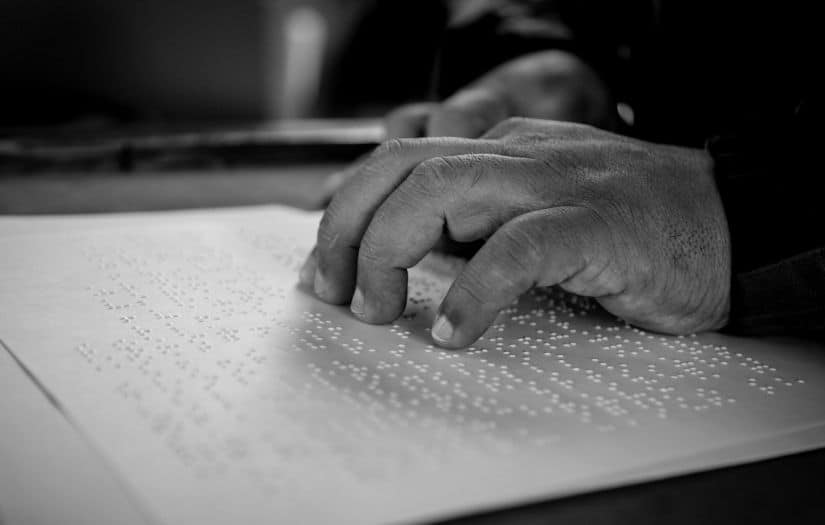
✨ Empowerment Through Independent Access
The transformative power of digital Braille reading applications lies fundamentally in the independence they provide. When individuals can access written information on their own terms, without waiting for assistance or specialized equipment, they gain control over their daily lives, education, and careers.
This technology doesn’t replace traditional Braille literacy—it enhances and extends it into the digital age. Users maintain their valuable tactile reading skills while gaining new tools that expand access to materials that may never be available in physical Braille formats.
As these applications continue evolving, they’ll play increasingly central roles in creating truly inclusive societies where information access isn’t limited by visual ability. The combination of centuries-old Braille systems with cutting-edge recognition technology exemplifies how innovation and tradition can work together to break down barriers.
The journey toward full accessibility continues, with digital Braille reading applications serving as powerful tools in that ongoing effort. By embracing these technologies and supporting their development, we contribute to a future where everyone can read, learn, and participate fully in society regardless of visual ability. 📖✨
