
Anúncios
GPS apps have revolutionized how we navigate, travel, and explore the world around us, making getting lost a thing of the past.


Whether you’re commuting to work, planning a road trip, or exploring a new city, GPS applications have become indispensable tools in our daily lives. These sophisticated navigation systems combine satellite technology, real-time data, and user-friendly interfaces to guide millions of people every single day.
Anúncios
From avoiding traffic jams to discovering the fastest routes, GPS apps offer far more than simple directions. They’ve evolved into comprehensive travel companions that enhance safety, save time, and reduce stress during our journeys. Let’s explore everything you need to know about these powerful navigation tools. 🗺️
How GPS Applications Actually Work Behind the Scenes
GPS technology relies on a network of satellites orbiting Earth, constantly transmitting signals to receivers on the ground. When you open a GPS app on your smartphone, it communicates with multiple satellites simultaneously to triangulate your exact position with remarkable accuracy.
Anúncios
Modern GPS applications don’t just rely on satellite data alone. They integrate information from cellular towers, Wi-Fi networks, and various sensors built into your device. This multi-layered approach ensures you get accurate location data even in challenging environments like urban canyons or areas with limited satellite visibility.
The magic happens when this positioning data combines with detailed mapping databases. These maps contain millions of streets, landmarks, and points of interest that are constantly updated. Advanced algorithms then calculate optimal routes based on factors like distance, traffic conditions, road closures, and even your driving habits.
Essential Features That Define Modern GPS Apps 📱
Today’s GPS applications pack impressive functionality that goes far beyond basic turn-by-turn directions. Understanding these features helps you choose the right app for your specific needs.
Real-Time Traffic Updates and Alternative Routes
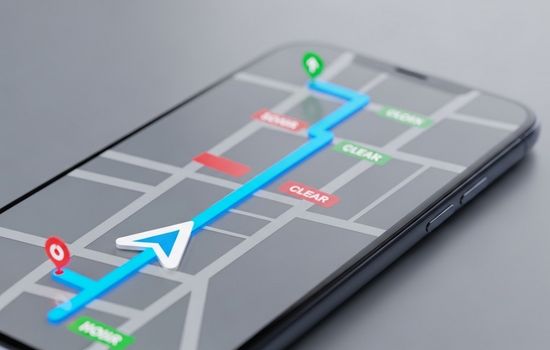
One of the most valuable features in any GPS app is real-time traffic information. These systems monitor road conditions continuously, alerting you to accidents, construction, and congestion before you encounter them. The best apps automatically suggest alternative routes to help you avoid delays and arrive at your destination faster.
Traffic data comes from multiple sources including government transportation agencies, road sensors, and crowdsourced information from other app users. This collaborative approach creates a comprehensive picture of current road conditions that updates every few minutes.
Voice-Guided Navigation and Hands-Free Operation
Safety remains paramount when driving, which is why voice guidance has become a standard feature. GPS apps provide clear, timely audio instructions that let you keep your eyes on the road. Many applications now support voice commands, allowing you to search destinations, report hazards, or adjust settings without touching your phone.
Advanced voice recognition technology understands natural language, so you can speak conversationally rather than using rigid command structures. This intuitive interaction makes GPS apps accessible even while you’re focused on driving.
Offline Maps for Areas Without Connectivity
Not every journey takes you through areas with reliable internet coverage. Quality GPS apps allow you to download map regions for offline use, ensuring navigation continues even without data connectivity. This feature proves invaluable during international travel, rural adventures, or when you want to conserve mobile data.
Offline maps typically include all essential navigation features, though real-time traffic updates naturally require an active connection. Planning ahead and downloading relevant regions before your trip eliminates connectivity concerns entirely.
Popular GPS Applications and What Makes Each Unique 🌟
The GPS app market offers numerous options, each with distinct strengths and specialized features. Understanding what sets them apart helps you make an informed choice.
Waze stands out for its community-driven approach, with millions of users reporting accidents, police presence, hazards, and traffic conditions in real time. This crowdsourced information creates an incredibly current picture of road situations, often alerting you to problems before official sources even register them.
Google Maps provides comprehensive coverage with detailed information about businesses, public transit, walking directions, and even indoor maps for airports and shopping centers. Its integration with Google’s ecosystem makes it seamlessly connect with other services you might already use.
Apple Maps has evolved significantly since its rocky launch, now offering beautiful cartography, excellent privacy protections, and tight integration with iOS devices. Its Look Around feature provides street-level imagery similar to Google Street View.


Specialized navigation apps like Sygic and HERE WeGo focus on features like speed camera warnings, lane assistance, and head-up display modes. These applications often appeal to drivers who want advanced navigation capabilities and comprehensive offline functionality.
Maximizing Battery Life While Using GPS Navigation 🔋
GPS navigation is notoriously power-hungry, draining smartphone batteries quickly during extended use. Several strategies can help you navigate longer without running out of juice.
Reducing screen brightness significantly extends battery life without compromising functionality. Since you’re primarily listening to voice guidance anyway, dimming the display or using auto-brightness saves considerable power. Some apps offer night mode themes that reduce screen power consumption even further.
Downloading offline maps eliminates the constant data connection required for streaming map tiles, which substantially reduces battery drain. Your phone uses less energy accessing local storage than maintaining active cellular or Wi-Fi connections throughout your journey.
Consider using a car charger or portable power bank for longer trips. Modern smartphones support fast charging, so even brief charging sessions can provide substantial battery recovery. Investing in quality charging accessories ensures your navigation never gets interrupted by a dead battery.
Privacy Considerations When Using Location Services 🔒
GPS apps necessarily track your location to provide navigation, but this raises legitimate privacy questions. Understanding how different applications handle your data empowers you to make informed choices aligned with your privacy preferences.
Most navigation apps collect location history to improve route suggestions and provide personalized features. However, reputable services allow you to view, manage, and delete this history. Review your app’s privacy settings regularly to ensure they match your comfort level with data collection.
Some GPS applications anonymize and aggregate user data before using it to generate traffic reports and route recommendations. This approach balances useful crowdsourced information with individual privacy protection. Apps with strong privacy commitments clearly explain their data practices in understandable terms.
Location permissions on modern smartphones offer granular control. You can grant GPS access only while actively using an app rather than allowing constant background tracking. This limits data collection to times when you’re actually navigating, providing a reasonable balance between functionality and privacy.
Using GPS Apps for Different Transportation Methods 🚗🚴🚶
Navigation needs vary dramatically depending on how you’re traveling. Modern GPS applications adapt to different transportation modes, providing relevant information for each situation.
Driving Navigation with Traffic-Aware Routing
Automotive navigation represents the most common GPS app usage. Driving-specific features include highway exit previews, lane guidance for complex interchanges, and alerts about speed limits. Traffic-aware routing dynamically adjusts your path based on current conditions, potentially saving significant time on congested urban routes.
Many apps integrate with vehicle infotainment systems through Apple CarPlay or Android Auto, displaying navigation on your dashboard screen for easier viewing. This integration provides a safer, more convenient navigation experience than glancing at your phone.
Cycling Routes with Bike-Friendly Paths
Cyclists have different navigation requirements than drivers. GPS apps with cycling modes prioritize bike lanes, paths, and quieter streets while avoiding highways and dangerous roads. Elevation information helps you anticipate challenging climbs and plan routes matching your fitness level.
Some applications calculate cycling-specific ETAs based on typical cycling speeds and terrain difficulty. This gives you realistic arrival estimates rather than driving-based times that don’t account for pedaling up hills or navigating mixed-use paths.
Walking Directions Through Pedestrian Spaces
Pedestrian navigation focuses on walkways, crosswalks, parks, and shortcuts unavailable to vehicles. Walking directions often include public transit integration, showing you how to combine walking with buses or trains for longer journeys.
GPS apps can help you explore cities on foot, highlighting nearby restaurants, attractions, and points of interest as you walk. This discovery feature transforms simple navigation into an interactive exploration tool that enriches your urban adventures.
Advanced GPS Features for Power Users ⚙️
Beyond basic navigation, GPS applications offer sophisticated capabilities that enhance the experience for demanding users who want maximum functionality.
Multi-stop route planning lets you add multiple destinations and optimize the sequence for efficiency. This proves invaluable for delivery drivers, sales professionals making client visits, or anyone running multiple errands in a single trip. The app calculates the most efficient order to minimize total travel time and distance.
Speed limit displays and overspeed warnings help you stay legal and safe. Many GPS apps show current speed limits and alert you when you’re exceeding them, reducing the risk of expensive tickets and promoting safer driving habits.
Points of interest along your route provide convenient information about gas stations, restaurants, rest stops, and attractions without requiring separate searches. You can filter POIs by category and distance to find exactly what you need when you need it.
Troubleshooting Common GPS App Problems 🔧
Even reliable GPS applications occasionally experience issues. Knowing how to diagnose and resolve common problems keeps you navigating smoothly.
Poor GPS accuracy often stems from obstructed satellite signals. Tall buildings, dense tree cover, and indoor locations can interfere with positioning. Moving to an open area with clear sky visibility usually resolves accuracy problems. Ensuring location services are enabled and the app has proper permissions is also essential.
Outdated map data causes navigation errors when roads have changed. Regularly updating your GPS app ensures you have current maps reflecting recent construction, new streets, and modified traffic patterns. Most applications update automatically, but manually checking for updates prevents data staleness.
Calibrating your phone’s compass improves directional accuracy. If your GPS position seems correct but the heading indicator points the wrong direction, recalibrate by moving your phone in a figure-eight pattern. This resets the internal magnetometer and typically resolves direction confusion.
The Future of GPS Technology and Navigation Apps 🚀
GPS applications continue evolving rapidly, incorporating emerging technologies that promise even more impressive capabilities in coming years.
Augmented reality navigation overlays directional arrows and information directly onto your phone’s camera view, making it virtually impossible to take wrong turns. This technology is particularly helpful for pedestrians navigating complex urban environments or finding specific building entrances.
Artificial intelligence and machine learning enable GPS apps to learn your habits and preferences. These systems predict your destinations, suggest optimal departure times to avoid traffic, and provide increasingly personalized recommendations based on your historical behavior patterns.
Integration with autonomous vehicle systems represents the ultimate evolution of GPS technology. Self-driving cars rely on extremely precise positioning combined with detailed mapping data to navigate safely. As autonomous vehicles become mainstream, the GPS apps we use today are laying the groundwork for tomorrow’s transportation revolution.
Making the Most of Your GPS App Experience 🎯
Getting maximum value from GPS applications requires more than just opening the app when you need directions. Strategic use and proper configuration dramatically improve your navigation experience.
Explore your app’s settings thoroughly. Most GPS applications offer extensive customization options for route preferences, voice guidance, map display, and alert types. Taking time to configure these settings according to your preferences creates a personalized navigation experience tailored to your specific needs.
Contribute to the community if your app supports crowdsourcing. Reporting hazards, traffic, and road conditions helps other users while improving the overall service quality. This collaborative approach makes everyone’s navigation more accurate and useful.
Keep your app updated and maintain downloaded offline maps for areas you frequent. Regular updates ensure you benefit from the latest features, bug fixes, and map improvements. Fresh offline maps guarantee navigation continues seamlessly even when connectivity becomes unreliable.
GPS applications have fundamentally transformed how we move through the world, turning navigation from a challenge into a seamless, stress-free experience. Whether you’re a daily commuter, weekend adventurer, or occasional traveler, these powerful tools help you reach your destination efficiently and confidently. By understanding their capabilities, optimizing settings, and choosing the right app for your needs, you can harness the full potential of GPS technology in your everyday life. Happy navigating! 🗺️✨
