
Anúncios
Energy security and global trade routes are increasingly intertwined as nations navigate the complex transition toward sustainable power sources while maintaining economic stability.

🌍 The Critical Intersection of Energy and Global Trade
The movement of energy resources across international waters has shaped geopolitical landscapes for over a century. Today, approximately 60% of global oil supplies and significant portions of liquefied natural gas travel through strategic maritime chokepoints. These vital arteries of commerce face unprecedented challenges from climate change impacts, political tensions, and the urgent need for decarbonization.
Anúncios
Traditional energy trade routes have centered around fossil fuel transportation from resource-rich regions to consumption centers. However, the landscape is transforming rapidly. Renewable energy technologies, critical minerals for batteries and solar panels, and hydrogen carriers are reshaping what flows through these channels and how nations approach energy independence.
⚓ Strategic Chokepoints and Vulnerability Assessment
Maritime trade routes pass through several critical bottlenecks where disruption could have catastrophic effects on global energy markets. The Strait of Hormuz alone accounts for roughly 21% of global petroleum liquids consumption. Similarly, the Strait of Malacca serves as the primary channel for Asian energy imports, handling over 15 million barrels of crude oil daily.
Anúncios
These chokepoints present multiple security challenges:
- Piracy and armed conflict in contested waters
- Natural disasters and extreme weather events intensified by climate change
- Territorial disputes affecting navigation rights
- Infrastructure vulnerabilities to cyber attacks
- Environmental disasters with cascading economic impacts
Recent incidents have demonstrated the fragility of these systems. The 2021 blockage of the Suez Canal by the Ever Given container ship disrupted global supply chains and highlighted how single-point failures can ripple across interconnected energy markets. Insurance premiums, shipping costs, and delivery timelines all factor into energy pricing mechanisms.
🔋 Renewable Energy and the Changing Nature of Trade
The transition to renewable energy fundamentally alters what moves along trade routes. Rather than shipping fossil fuels themselves, nations increasingly trade the components and materials necessary for clean energy infrastructure. Rare earth elements, lithium, cobalt, and specialized manufacturing equipment now represent critical flows.
China currently dominates the processing of many critical minerals essential for renewable technologies, controlling approximately 80% of rare earth refining capacity. This creates new dependencies and vulnerabilities that differ from traditional oil and gas supply chains but pose equally significant strategic concerns.
Green hydrogen represents another emerging dimension of energy trade. As production technologies mature, nations with abundant renewable resources may export hydrogen or ammonia derivatives to energy-hungry markets. This requires new infrastructure, specialized vessels, and safety protocols distinct from conventional energy shipping.
Diversification Strategies for Material Supply Chains
Forward-thinking nations are implementing comprehensive strategies to secure access to materials essential for energy transition. Australia, Canada, and several African nations are developing mining and processing capabilities to challenge current monopolies. The European Union has identified strategic partnerships and domestic processing facilities as priorities within its Critical Raw Materials Act.
Recycling technologies also play an increasingly important role. Battery recycling facilities can recover valuable materials, reducing dependence on primary extraction and international shipping. Companies investing in circular economy approaches create more resilient supply chains less vulnerable to geopolitical disruption.
🛡️ Protecting Infrastructure in an Era of Hybrid Threats
Modern energy security extends beyond physical protection of ships and pipelines to encompass cyber warfare, information operations, and economic coercion. The digitalization of energy systems creates new attack surfaces that adversaries can exploit remotely without traditional military operations.
Submarine cable networks carrying data between continents have become targets of interest. These cables facilitate financial transactions, market communications, and operational control of distributed energy systems. Their protection requires international cooperation and novel monitoring technologies.
Port facilities themselves represent critical infrastructure requiring defense. Smart port technologies improve efficiency but must be hardened against cyber intrusions. The integration of renewable energy into port operations—through shore power for vessels, solar installations, and local battery storage—creates more resilient facilities less dependent on external energy supplies during emergencies.
📊 Economic Implications of Route Security
| Factor | Impact on Energy Costs | Mitigation Approach |
|---|---|---|
| Insurance Premiums | 5-15% increase in high-risk zones | Naval patrols, convoy systems |
| Route Diversification | Longer distances add 10-30% to transport costs | Regional production, storage reserves |
| Infrastructure Investment | Upfront costs offset by long-term security | Public-private partnerships, multilateral funding |
| Technology Upgrades | Initial expenditure with efficiency gains | Phased implementation, proven technologies |
The economics of energy security involve complex trade-offs between immediate costs and long-term resilience. Investments in route diversification, storage capacity, and domestic production capability provide insurance against supply disruptions but require substantial capital allocation. Market mechanisms alone may underprice these risks, necessitating government intervention and strategic planning.
🌊 Climate Change as a Security Multiplier
Rising sea levels, intensifying storms, and changing precipitation patterns directly affect energy trade routes. Coastal port infrastructure faces increasing adaptation costs as storm surge risks grow. Arctic ice melt paradoxically opens new shipping routes while contributing to global instability that threatens existing pathways.
The Northern Sea Route along Russia’s Arctic coast could reduce shipping distances between Europe and Asia by up to 40% compared to southern routes through the Suez Canal. However, this requires ice-capable vessels, presents environmental concerns, and depends on geopolitical relationships that may prove unreliable.
Extreme weather events also disrupt energy production and refining capacity in key regions. Hurricane impacts on Gulf of Mexico facilities demonstrate how climate effects in one location cascade through interconnected global markets. Building resilience requires redundancy, geographic diversification, and rapid response capabilities.
Adaptation Measures for Maritime Infrastructure
Port authorities worldwide are implementing adaptation strategies including elevated infrastructure, improved drainage systems, and breakwaters designed for more intense storms. Rotterdam, Singapore, and other major energy hubs are investing billions in climate-proofing facilities essential to their roles as global trading nodes.
Vessel design is also evolving to handle more challenging conditions. Enhanced stability systems, weather routing software, and communication technologies help ships navigate increasingly variable seas. The transition to cleaner fuels for shipping itself reduces emissions while potentially improving vessel performance in extreme conditions.
⚡ The Role of Energy Storage and Grid Interconnection
Reducing dependence on long-distance energy transport requires robust storage technologies and regional grid interconnections. Battery storage systems, pumped hydro, and emerging technologies like compressed air energy storage allow nations to buffer against supply interruptions and integrate variable renewable generation.
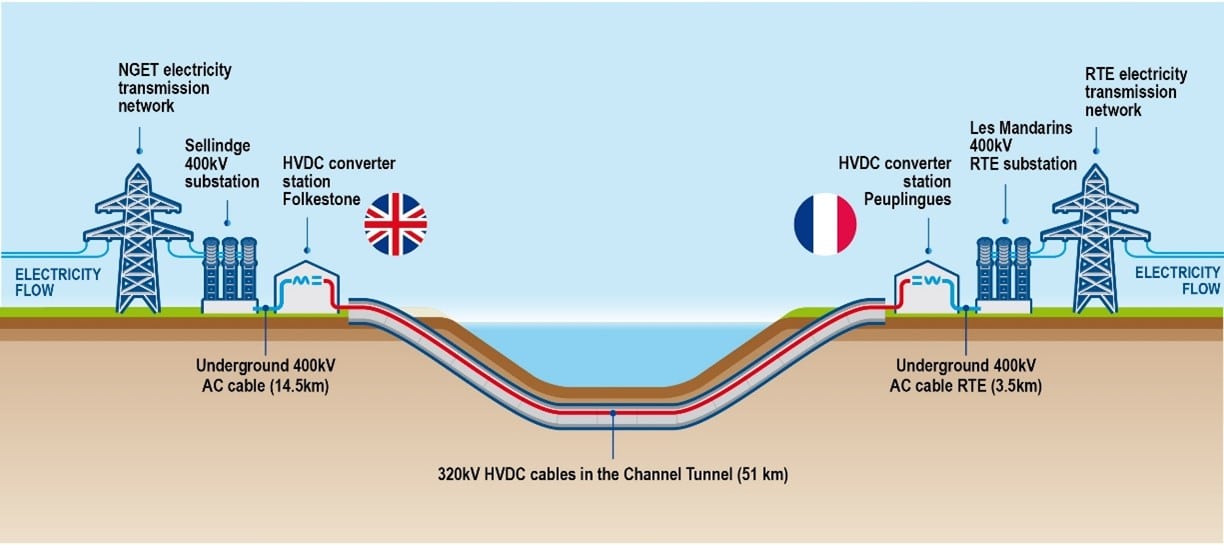
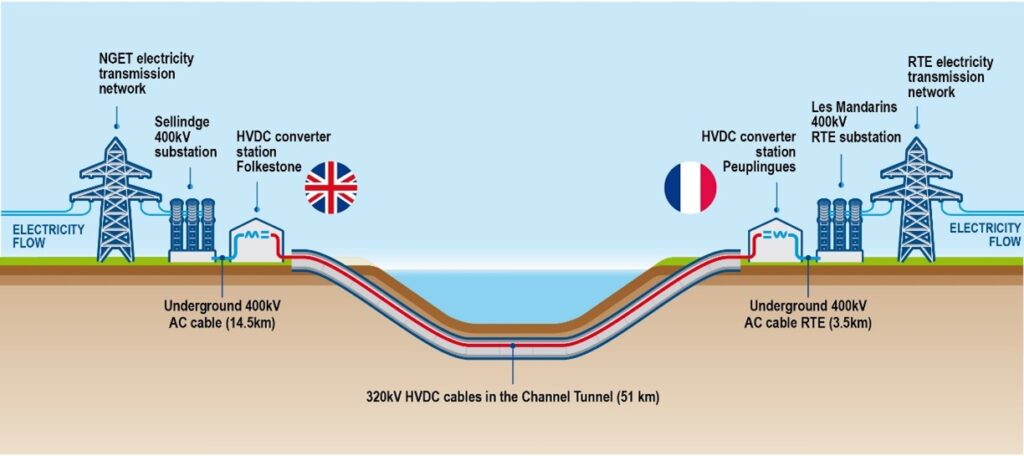
Cross-border electricity transmission creates continental-scale energy markets that reduce individual nations’ vulnerability to local supply disruptions. Europe’s integrated grid allows renewable energy to flow from production centers to demand regions, improving overall system efficiency and security.
Seasonal storage technologies capable of holding energy across months rather than hours represent a frontier challenge. Hydrogen production during surplus renewable generation periods, followed by reconversion to electricity during shortfalls, offers one pathway. Thermal storage in district heating systems provides another approach suited to specific climates.
🤝 International Cooperation and Governance Frameworks
Energy security in interconnected markets requires cooperation even among competitors. International maritime law, established through UNCLOS (United Nations Convention on the Law of the Sea), provides foundational frameworks for navigation rights and dispute resolution. However, enforcement mechanisms remain challenging when major powers contest interpretations.
Regional organizations play crucial roles in coordinating energy security measures. ASEAN nations collaborate on maritime security in Southeast Asian waters. The International Energy Agency facilitates emergency response coordination among developed economies, while newer initiatives aim to include emerging markets in global governance structures.
The Energy Charter Treaty attempts to create binding international commitments on energy investment protection and transit rights. Though imperfect and facing criticism on climate grounds, such frameworks demonstrate recognition that energy security transcends national boundaries.
Building Trust Through Transparency Initiatives
Information sharing about energy flows, infrastructure capacity, and emergency reserves reduces market uncertainty and enables coordinated responses to disruptions. The Joint Organizations Data Initiative (JODI) collects and publishes oil and gas statistics, improving market transparency. Expanding such mechanisms to critical minerals and renewable energy components would enhance security in transition pathways.
🚢 Technological Innovation in Maritime Energy Transport
Advanced vessel technologies are transforming how energy moves across oceans. Liquefied natural gas carriers now feature highly efficient propulsion systems, often using the cargo itself as fuel. This reduces emissions while demonstrating the potential for cleaner maritime transport.
Autonomous and semi-autonomous vessels promise improved safety and efficiency in energy transport. Remote monitoring reduces crew requirements while potentially enhancing security against piracy. However, cybersecurity becomes even more critical as vessels depend on digital connectivity for navigation and operations.
Alternative fuels for shipping represent another innovation frontier. Ammonia and methanol derived from renewable sources could decarbonize maritime transport while creating new commodity flows. Dual-fuel engines capable of switching between conventional and alternative fuels provide flexibility during the transition period.
💡 Charting the Course Toward Resilient Energy Networks
Achieving genuine energy security in a sustainable future requires integrated strategies addressing physical infrastructure, geopolitical relationships, technological innovation, and market mechanisms. No single approach suffices; resilience emerges from diversity, redundancy, and adaptability across multiple dimensions.
Investment priorities should emphasize flexibility rather than rigid optimization for current conditions. Modular infrastructure that can adapt to changing energy mixes, trade patterns, and climate conditions provides better long-term value than systems designed for narrow specifications. This principle applies equally to port facilities, vessel fleets, storage systems, and grid infrastructure.
Private sector innovation must be coupled with public sector strategic planning and international cooperation. Markets excel at efficiency optimization but may underinvest in resilience that provides diffuse social benefits. Government roles include setting standards, coordinating infrastructure development, maintaining strategic reserves, and facilitating information sharing.
Practical Steps for Stakeholders
Energy companies should conduct comprehensive risk assessments encompassing climate scenarios, geopolitical tensions, and technological disruption. Diversified portfolios across energy sources, geographic regions, and technology platforms reduce concentration risks that could prove catastrophic in rapidly changing contexts.
Governments need updated policy frameworks reflecting contemporary realities rather than assumptions from fossil fuel-dominated eras. This includes permitting processes for new infrastructure, international agreements covering emerging energy vectors, and workforce development for technologies essential to sustainable energy systems.
Consumers and businesses can contribute through energy efficiency measures that reduce overall demand intensity, making supply security more achievable. Distributed generation and storage at building and community scales create local resilience while easing pressure on long-distance transmission systems.
🔮 Emerging Patterns in the Energy Security Landscape
The next decade will likely see accelerated change in how energy security is conceptualized and achieved. Several trends appear particularly significant. First, the continued decline in renewable energy costs makes distributed generation economically attractive across diverse contexts, potentially reducing the strategic importance of some traditional trade routes.
Second, digitalization enables more sophisticated management of complex energy systems but creates vulnerabilities requiring constant vigilance. The intersection of artificial intelligence, IoT sensors, and energy systems promises optimization benefits alongside security challenges.
Third, the weaponization of energy flows for geopolitical advantage appears increasingly likely in multipolar world orders. Nations viewing energy dependence as strategic vulnerability will pursue self-sufficiency even at economic cost, potentially fragmenting global markets into regional blocs with distinct characteristics.
Successfully navigating these currents requires clear-eyed assessment of risks, sustained investment in resilient infrastructure, diplomatic engagement to maintain cooperative frameworks, and technological innovation addressing both efficiency and security objectives. The destination—abundant, clean, secure energy for all—justifies the complex journey ahead.
Energy security and sustainability are not competing priorities but complementary objectives requiring integrated strategies. Trade routes that have powered economic development must evolve to support the transition toward systems that can sustain human civilization long-term. This transformation represents both profound challenge and extraordinary opportunity for those with vision to chart new courses through changing seas.
